
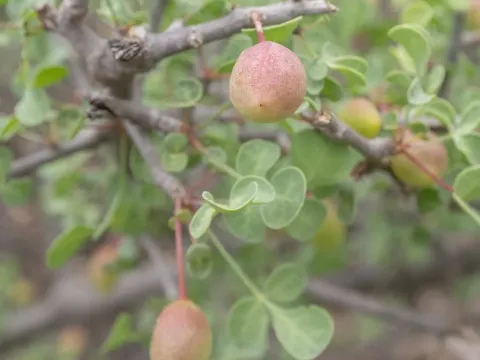
Commiphora foliacea
Commiphora foliacea
Commiphora foliacea belongs to the Burseraceae family and is recognized as a hardy, drought-tolerant species native to arid and semi-arid landscapes, primarily in African regions.
What the section contains
Commiphora foliacea
The plant requires well-draining, sandy or rocky soil compositions to thrive. Its primary agricultural requirement is the avoidance of waterlogged conditions, which are detrimental to the root system of this species.
Optimal growth is achieved in environments with high light intensity and consistently warm temperatures, mirroring the natural heat of its native habitat.
Botanically, it functions as a succulent-like woody shrub, capable of storing water in its stem tissues to withstand prolonged dry seasons.
Commercially, Commiphora species are valued for their resinous exudates, which have been historically utilized for aromatic, medicinal, and cosmetic purposes across various global markets.
The main physiological threat to Commiphora foliacea is the onset of root rot, typically triggered by inappropriate irrigation schedules or heavy, compacted soil types.
Pests such as spider mites, mealybugs, and scale insects frequently infest the foliage and bark, especially in controlled environment agriculture settings.
Fungal infections can manifest following improper pruning techniques if the plant wounds are not allowed to callous or are exposed to excessive humidity.
Environmental stress, if the temperature drops significantly below the plant's threshold, can weaken the immune system of the shrub, making it more susceptible to opportunistic pathogens.
Monitoring for signs of sap-sucking pests and maintaining a dry, well-ventilated canopy are crucial components of a successful integrated pest management strategy.