
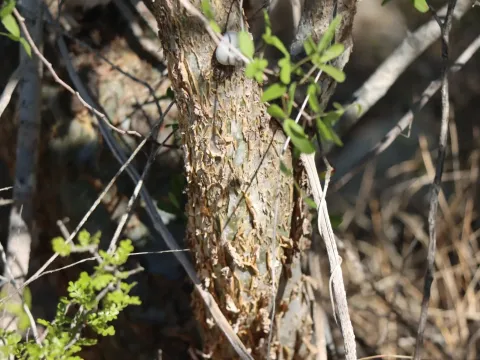
Commiphora humbertii
Commiphora humbertii
Commiphora humbertii is a distinct species belonging to the Burseraceae family, native to the arid landscapes of Madagascar. This plant is highly prized for its unique architectural form and adaptation to dry, harsh environments.
What the section contains
Commiphora humbertii
As a specialized xerophyte, it requires full sunlight to thrive. In a controlled agricultural or greenhouse environment, it demands high intensity light exposure to maintain its compact growth habit and natural branching pattern.
The ideal soil substrate should be coarse and highly porous. A mix consisting of mineral components, such as pumice or coarse sand, ensures that roots remain aerated and that water drains rapidly, preventing internal rot.
Temperature management is critical; the plant performs best in warm conditions between 22°C and 30°C. It must be protected from frost at all times, as even a brief exposure to sub-zero temperatures can lead to irreversible cellular damage.
Watering frequency should strictly follow the seasonal cycles of the plant. During the active growing phase, allow the substrate to dry out completely before supplying water again, and drastically reduce moisture during winter.
Root rot is the primary threat to Commiphora humbertii, typically caused by waterlogged soil. This condition is often exacerbated by low temperatures, which slow down the plant's metabolic activity and transpiration rates.
Pest infestations, particularly spider mites, are common in low-humidity environments. These mites feed on the sap of young leaves and can quickly cause defoliation if left untreated.
Mealybugs are another persistent pest that hides in the crotches of branches, making them difficult to detect. Regular inspection and targeted treatment with horticultural oils or systemics are necessary for control.
Fungal pathogens can occasionally affect the bark, especially if humidity levels are kept too high in stagnant air. Ensuring good airflow around the canopy significantly reduces the risk of such infections.
Effective management requires maintaining a balance between moisture and drainage, along with a clean environment, to prevent the proliferation of opportunistic plant diseases and pests.