
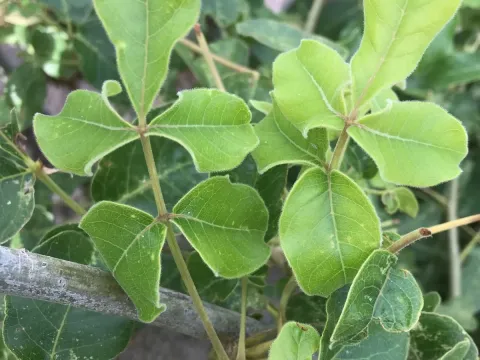
Commiphora edulis
Commiphora edulis
Propagation of Commiphora edulis is primarily achieved through seeds or stem cuttings. Planting seeds at the beginning of the rainy season is highly recommended, as optimal soil temperatures promote rapid germination.
What the section contains
Commiphora edulis
When sowing, use a loose, well-draining substrate to prevent moisture accumulation. Seeds should be planted at a shallow depth of 1–2 cm, as the emerging sprouts require immediate access to natural light for growth.
Vegetative propagation via cuttings requires the use of rooting hormones to ensure successful development. Cuttings should be placed in a controlled environment with high humidity and consistent warmth to encourage root formation.
Seedlings are transplanted to their permanent location once the risk of frost or extreme cold has passed. The plant is highly sensitive to temperature fluctuations during its early growth stages and requires careful handling.
Proper spacing is crucial for mature tree development, with a recommended distance of 4–6 meters between plants. This allows for adequate crown spread and prevents root competition in the surrounding soil.
Commiphora edulis belongs to the Burseraceae family and is native to the African savannas. The tree thrives in areas with full sunlight exposure throughout the day, which is essential for healthy canopy formation.
The plant is moderately demanding regarding soil, preferring deep, well-drained loams or sandy compositions. Waterlogging is detrimental to the root system and often leads to severe fungal issues.
The species is known for its high drought tolerance due to its ability to store water in its tissues. However, supplemental watering during prolonged dry spells is necessary to ensure consistent fruit development.
An ideal temperature range for active growth is between +20 and +35 degrees Celsius. Being a tropical plant, it is not frost-hardy and will not survive in climates with freezing winter temperatures.
Incorporating organic fertilizers into the root zone helps maintain soil fertility. Mulching the base of the tree is a recommended practice to conserve soil moisture and suppress the growth of competitive weeds.
The yield of Commiphora edulis varies significantly based on tree age and local environmental conditions. First fruiting typically occurs within 3 to 5 years after planting, depending on individual growth vigor.
The edible drupes are the primary product of the tree, prized for their unique flavor profile. The fleshy part of the fruit is the edible portion, often consumed locally for its nutritional value and distinct taste.
A mature, well-maintained tree can produce several dozen kilograms of fruit per season. Peak productivity is generally observed once the tree reaches the 10-year mark, provided it receives sufficient care.
Harvesting requires careful techniques due to the presence of thorns on the branches. Specialized picking equipment helps gather fruits effectively without causing damage to the developing buds for future harvests.
Balanced nutrient availability is critical for achieving high yields, especially during the flowering and fruit-setting stages. Micronutrient deficiencies can result in premature fruit drop before maturity.
Root rot is the primary threat to Commiphora edulis, often caused by overwatering or poor drainage. Excess moisture, especially during cooler periods, can lead to the rapid decline of the vascular system.
Pests such as spider mites and scale insects may infest foliage in low-humidity environments. Regular monitoring is essential for early detection and the application of appropriate control measures.
Powdery mildew can develop in dense plantings where airflow is restricted. Pruning the crown periodically is an effective practice to improve ventilation and reduce the risk of fungal infections.
Mechanical damage to the bark frequently serves as an entry point for pathogenic bacteria. Therefore, it is important to minimize any accidental wounds during routine maintenance and harvesting work.
The use of biological controls is preferred to maintain the safety of the edible fruits. Chemical pesticides should be used with extreme caution and only as a last resort in cases of severe infestation.
Harvesting should occur as soon as the fruits reach their characteristic stage of ripeness. Mature drupes soften slightly, indicating that they are ready to be gathered from the branches.
Fruits are picked manually with care to preserve their delicate skins. Once gathered, they should be stored in ventilated containers to prevent rapid deterioration caused by heat or humidity buildup.
Fresh fruit has a limited shelf life, necessitating rapid processing or consumption after harvest. Keeping the harvest in a cool place can help maintain quality for a slightly longer period.
For long-distance transportation, some growers harvest the fruit slightly before full maturity. Under controlled conditions, the fruits can continue to ripen during the distribution process.
The seeds recovered from the fruits represent a valuable resource for future planting cycles. Proper cleaning and storage of seeds ensure the availability of stock for expanding the cultivation area.