
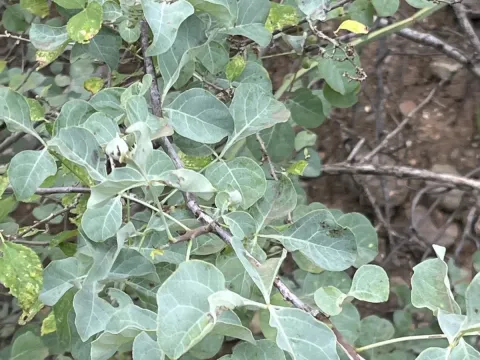
Commiphora campestris
Commiphora campestris
Commiphora campestris is a member of the Burseraceae family. It is a perennial shrub or small tree native to the arid regions of East Africa, including countries such as Kenya, Tanzania, and Ethiopia.
What the section contains
Commiphora campestris
The plant is highly adapted to harsh semi-desert and savanna environments. It prefers well-drained sandy or rocky soils, as it is extremely sensitive to waterlogging, which can easily damage its root system.
Successful cultivation requires high temperatures and exposure to intense sunlight. The species exhibits exceptional xerophytic resilience, allowing it to survive through prolonged periods of drought.
Agricultural production is largely restricted to tropical climate zones. Propagation is typically achieved through seeds or stem cuttings, which require controlled humidity levels during the initial establishment phase.
Consistent light exposure is essential for the plant's biological processes. Insufficient light levels negatively impact its growth rate and hinder the accumulation of specialized secondary metabolites, including aromatic resins.
The primary economic value of Commiphora campestris lies in the harvest of its valuable aromatic resin. Yield potential is determined by the age of the tree, local climatic conditions, and annual precipitation levels.
Resin extraction remains a largely traditional, manual process. Shallow incisions are made into the bark, allowing the sap to exude and harden into solid resinous nodules when exposed to air.
The resin is extensively used in the perfume industry to create complex, earthy scents. Additionally, it is utilized in traditional and modern medicine for its antiseptic and anti-inflammatory properties.
Essential oils derived from various parts of the plant are highly sought after in the global natural cosmetics market due to their unique chemical composition.
The species is considered a potential source of renewable raw material for the chemical and pharmaceutical industries, particularly in regions where arable land is limited by aridity.
Various insect pests represent a significant threat to these plantations, as they feed on the bark and tender shoots, directly impacting the plant's ability to produce resin.
Fungal infections of the root system may occur if irrigation practices are flawed, particularly if moisture levels exceed the plant's tolerance during its dormancy period.
Wild herbivores often graze on young shoots, necessitating the use of protective fencing around commercial plantations to ensure the survival and development of young trees.
Over-exploitation and unsustainable harvesting methods can weaken local populations and significantly decrease the overall productivity of the stands.
Climate instability, such as erratic temperature fluctuations, can induce extreme stress in the trees, making them susceptible to secondary pests and pathogen infestations.