
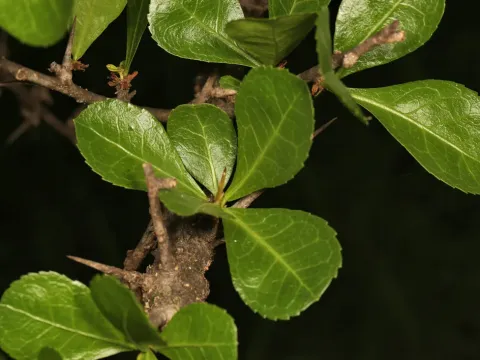
Commiphora
Commiphora
Commiphora is a genus of flowering plants in the Burseraceae family, native primarily to the tropical regions of Africa and Asia. These plants are well-known for their adaptation to arid environments and their ability to produce aromatic resin, commonly referred to as myrrh.
What the section contains

Commiphora
The cultivation of Commiphora requires a hot, dry climate with plenty of sunlight. It is essential to replicate their natural habitat, which is characterized by well-draining, stony, or sandy soil. They are highly susceptible to root rot if waterlogged, making drainage the most critical factor in their development.
Soil composition should be sparse and mineral-heavy, mimicking the rocky landscapes where these trees naturally flourish. Adding organic matter should be done sparingly to avoid creating a moist environment that encourages fungal growth.
The agricultural cycle involves a strict watering regime. During the active growth season, water should be applied deeply but infrequently, allowing the soil to dry out completely. During the dormant period, irrigation must be severely restricted to mirror the drought conditions of their native range.
Economic value is derived primarily from the resin. Aside from its religious and historical significance, it serves as a vital component in modern perfumery, incense manufacturing, and medicinal applications due to its potent anti-inflammatory properties.
Root rot is the most significant threat to Commiphora, often triggered by over-irrigation or soil that lacks adequate aeration. Once established, this pathogen is difficult to eradicate and can lead to the death of the specimen.
Pests such as scale insects and spider mites frequently pose a risk in controlled environments like greenhouses. They feed on the succulent parts of the plant and can significantly reduce its vigor and resin production.
Mechanical damage from improper tapping or maintenance can introduce pathogens into the trunk, leading to localized decay. Operators must ensure that all tools are sterilized to prevent the spread of infections.
Environmental stress, particularly prolonged periods of high humidity, can lead to foliage diseases that manifest as spotting or premature leaf drop, reducing the tree's photosynthetic capacity.
Monitoring for signs of infestation or early decay is essential for sustainable management. Early intervention using targeted, non-harsh treatments is preferred to maintain the plant's health.
Resin harvesting is performed via tapping, a technique that involves creating precise, shallow incisions in the outer bark. The tree naturally exudes a resinous sap as a defensive response to these wounds.
The sap is allowed to harden on the bark for several days or weeks before it is collected. This process requires steady hands and a deep understanding of the individual tree's capacity to regenerate its defenses.
Post-harvest processing involves cleaning the resin of bark flakes, dust, and other impurities. High-quality myrrh is judged by its clarity, fragrance intensity, and the absence of debris.
Sustainable harvesting practices are crucial; over-tapping can lead to tree exhaustion and death. Farmers typically rotate tapping sites on the tree to allow for tissue recovery between harvesting cycles.
The global market for Commiphora products remains stable, with demand driven by natural perfume and wellness industries that prioritize authentic, sustainably sourced botanical resins.