
Commiphora angolensis
Commiphora angolensis
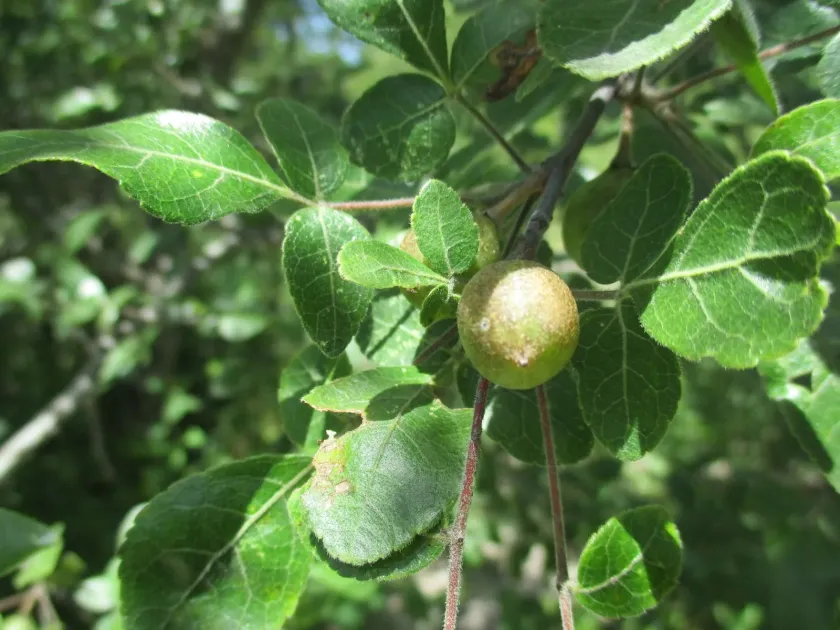
Description
Growing requirements
Commiphora angolensis is a perennial woody shrub or small tree belonging to the Burseraceae family. Native to the arid regions of Southern Africa, this plant is well-adapted to surviving in harsh, low-rainfall environments.
The species thrives in well-drained, sandy, or rocky soils typical of savanna ecosystems. It requires significant solar exposure and is highly sensitive to waterlogged conditions, which can lead to rapid root rot.
Temperature requirements are high, as the plant originates from frost-free zones. It has evolved specific morphological traits, including a thickened, resinous bark and thorns, which serve as protection against herbivores and drought stress.
In terms of economic importance, the tree is primarily harvested for its aromatic resin. This substance has been utilized for centuries in traditional medicine, perfume manufacturing, and as a key component in natural incense production.
Cultivation of this species is limited to environments that mimic its natural habitat, requiring minimal intervention but significant time for the tree to reach maturity for resin production.
Main diseases and pests
Primary threats to Commiphora angolensis include fungal pathogens that target the bark, especially when improper tapping methods create open wounds that are not allowed to seal naturally.
Various wood-boring insects represent a significant biological threat, as they can penetrate the trunk and internal structure, causing structural decay and reducing the overall vitality of the tree.
Excessive browsing by local wildlife remains a persistent issue, as it destroys young shoots and significantly limits the natural regeneration capacity of the population in its native range.
Soil depletion and extreme erosion can destabilize the root systems, making mature trees prone to windthrow during severe weather events or erratic storm seasons.
Effective management requires sustainable harvesting practices and monitoring for early signs of infection to ensure the longevity of the plant and consistent production quality.