
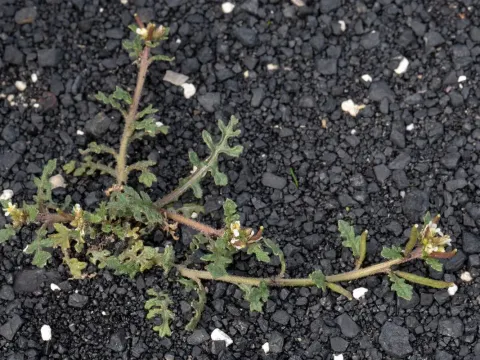
Sisymbrium supinum
Sisymbrium supinum
Sisymbrium supinum is a member of the Brassicaceae family, often recognized for its adaptability to arid environments and potential as a niche agricultural crop.
What the section contains
Sisymbrium supinum
The sowing period is typically early spring when soil temperatures reach stable levels, allowing for rapid germination and seedling establishment in open field conditions.
Seeds should be placed at a shallow depth of 1–2 centimeters to ensure consistent moisture contact, which is essential for the crop's development.
Optimal row spacing depends on the primary cultivation goal, whether it is biomass production or seed harvesting, ensuring each plant has sufficient access to sunlight.
Mechanized precision seeding is recommended to maintain a uniform density, preventing overcrowding and ensuring optimal airflow throughout the canopy.
This species thrives in light, well-drained soils and exhibits remarkable resilience in dry, sunny habitats, making it suitable for regions with limited rainfall.
The plant performs best in neutral to slightly alkaline soil conditions and does not tolerate waterlogging, which can lead to root damage and stunted growth.
Direct exposure to sunlight is critical, as any form of shading significantly impacts the photosynthetic activity and overall productivity of the crop.
Agricultural management should focus on maintaining a clean seedbed free of aggressive weeds, especially during the early stages of plant development.
Nutrient requirements are relatively low compared to intensive cereal crops, but moderate application of phosphorus can promote stronger reproductive growth.
The main pests threatening this crop are flea beetles, which can cause severe defoliation during the cotyledon stage, necessitating close monitoring.
Fungal pathogens such as downy mildew can become a significant issue during periods of high humidity, particularly if the crop density is too high.
Pest management relies heavily on crop rotation and the strategic use of biological control agents to minimize the impact on the local ecosystem.
It is important to avoid monoculture practices with other cruciferous plants, as they share common pests that can thrive in a continuous cropping system.
Regular field scouting for early symptoms of aphids or leaf spot diseases is recommended to implement timely protective measures before the infection spreads.