
Smyrna alyssum
Alyssum smyrnaeum
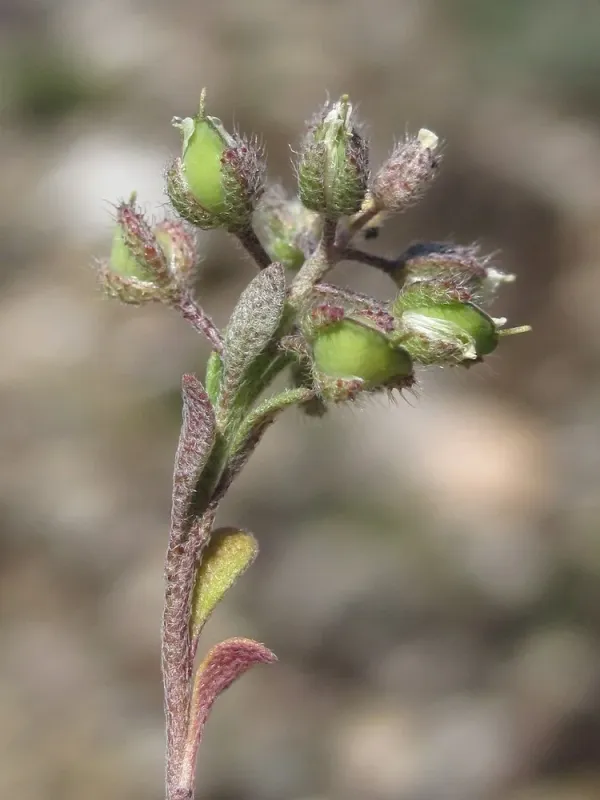
Description
Sowing dates
Smyrna alyssum (scientific name Alyssum smyrnaeum) is a member of the Brassicaceae family. In temperate zones, direct seeding into the ground is best performed in mid-spring, once the soil has warmed sufficiently, usually around April.
For more control over the growth process, seedlings can be started indoors during late winter or early spring. This allows the plants to establish well before being transplanted into the permanent outdoor location.
Seeds should be sown shallowly, ideally covering them with no more than 0.5 cm of fine soil. Maintaining consistent moisture in the germination phase is essential for achieving a high success rate.
Spacing is a vital aspect of the agronomy for this plant. A distance of 20-30 cm between plants is recommended to allow for healthy development and to reduce the risk of disease spread through dense foliage.
While the plant can grow in various soil types, it thrives in well-drained, slightly alkaline, or neutral soils. Adding organic matter, such as compost, during site preparation can significantly boost the initial growth phase.
Growing requirements
Smyrna alyssum is a sun-loving species. To ensure optimal health and profuse flowering, the plants must be placed in locations receiving full sunlight throughout the majority of the day.
Water requirements are moderate. The species is relatively drought-tolerant but needs occasional watering during hot, dry spells. Excessive moisture is more damaging than dry conditions, as it can lead to root issues.
Good soil drainage is non-negotiable for this species. If the soil remains saturated for long periods, the roots are prone to oxygen deprivation and decay, which can lead to the rapid decline of the entire plant.
The ideal temperature range for active growth is between 18 and 25 degrees Celsius. The plant shows decent adaptation to fluctuating temperatures but should be protected from harsh, prolonged cold weather.
Fertilization should be handled carefully. Avoid high-nitrogen fertilizers that encourage leafy growth at the expense of floral production; a balanced, slow-release fertilizer is a more appropriate choice for long-term health.
Main diseases and pests
Crucifer flea beetles are the most frequent pests associated with Smyrna alyssum. These tiny insects can riddle the leaves with holes, significantly impacting the plant's photosynthetic capacity and general vigor.
Powdery mildew is a common fungal threat in humid or overcrowded conditions. It manifests as a fine white powder on the surface of the foliage and requires prompt removal or treatment with appropriate fungicides.
Root rot is an ever-present threat, particularly in poorly drained soils. Prevention is the key strategy here, focusing on proper soil preparation and avoiding excessive irrigation during the growing season.
Aphids can also occasionally infest the developing buds of the plant. If left untreated, they can cause stunted growth and deformed flowers, making regular scouting for these pests a necessary part of routine care.
Effective pest and disease management relies on good sanitation practices. Removing diseased plant matter promptly and keeping the surrounding garden area clean helps to break the life cycle of common pathogens.