
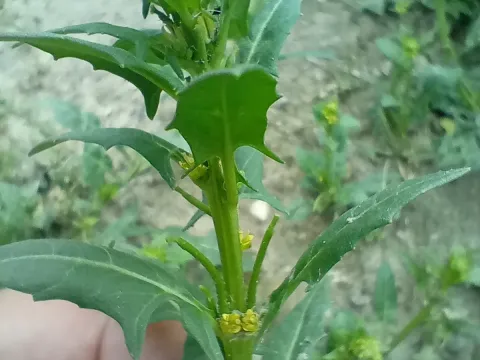
Sisymbrium polyceratium
Sisymbrium polyceratium
Sisymbrium polyceratium is an annual herbaceous plant belonging to the Brassicaceae family. While often found in the wild, its agronomic potential lies in its rapid biomass production and resilience in temperate climates.
What the section contains
Sisymbrium polyceratium
The plant thrives in well-drained, fertile soils with neutral pH. It demonstrates excellent adaptability to various light conditions, though it performs best in full sun, which promotes vigorous vegetative growth and optimal flowering.
Water requirements for this crop are moderate. It is relatively drought-tolerant once established, but sufficient soil moisture during the seedling stage is critical to ensure proper root development and stand density.
Agronomic management includes basic soil preparation through cultivation to ensure a fine tilth for sowing. Weed suppression is crucial only during the initial weeks; thereafter, the crop's rapid growth typically shades out competing weeds.
Proper nutrient management is essential for optimizing biomass production. The application of balanced fertilizers supports uniform crop development, which is beneficial for both yield quantity and quality.
Common diseases affecting this crop include downy mildew and white rust. These fungal pathogens are primarily driven by excessive humidity, making proper field drainage and air circulation essential management practices.
Pest management is centered on controlling crucifer flea beetles, which can cause significant damage to young foliage. Scouting for these insects should begin immediately upon germination to protect the integrity of the crop.
Aphid infestations may occur, especially in dry, warm conditions. Monitoring the underside of leaves for early colonies is advised to prevent stunted growth and potential transmission of viral diseases by insect vectors.
Crop rotation is a fundamental strategy for managing soil-borne pathogens. Integrating non-Brassicaceae crops into the rotation cycle helps reduce the accumulation of host-specific diseases in the soil.
Integrated Pest Management (IPM) techniques, including the use of biological control agents, should be preferred over extensive chemical use to ensure the sustainability of the agricultural system.