
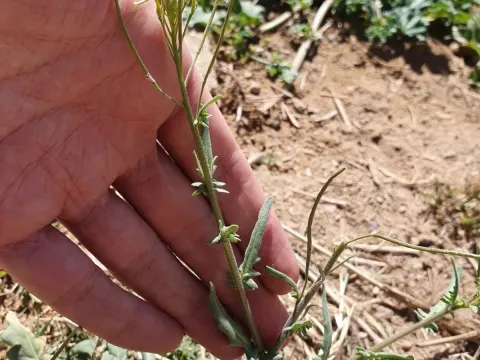
Sisymbrium reboudianum
Sisymbrium reboudianum
Sisymbrium reboudianum is a unique botanical species belonging to the Brassicaceae family, recognized for its exceptional adaptation to arid environments. This plant demonstrates significant potential for sustainable cultivation in regions suffering from water scarcity.
What the section contains
Sisymbrium reboudianum
The plant originates from desert and semi-desert zones of North Africa, where it has evolved to thrive under extreme temperature fluctuations and saline soil conditions. Its biology makes it a valuable candidate for research in crop diversification.
Regarding soil requirements, the species performs best in well-drained, light-textured soils such as sandy loams. Heavy clay soils are generally unsuitable as they inhibit proper root development and lead to excessive moisture retention, which the plant does not tolerate.
The climatic needs of this crop are characterized by a high demand for solar radiation. It requires a long vegetation period with minimal humidity to successfully reach the maturity stage and produce high-quality seeds for oil extraction.
From an industrial perspective, the seeds of this plant are of interest due to their lipid profile. Agricultural experts view it as an emerging crop that could bridge the gap in oilseed production in drought-prone geographic areas.
The primary threats to the crop include various species of flea beetles that target the foliage of plants within the Brassicaceae family. These pests can cause severe defoliation if left uncontrolled during the early stages of plant development.
Pathogens affecting this species are predominantly fungal in nature, usually appearing when excessive moisture persists in the root zone. Root and crown rot are common indicators of improper irrigation management or poor soil drainage.
Weed competition is a critical challenge during the establishment phase. Since the plant may have a slow initial growth rate, it is essential to implement mechanical weeding to allow the crop to capture necessary nutrients and light.
Integrated pest management strategies are recommended to keep the population of harmful insects below the economic threshold. Relying on crop rotation is the most effective cultural practice to disrupt the life cycles of common pests and pathogens.
Monitoring the fields for early signs of disease, such as wilting or discoloration, is crucial for timely intervention. Maintaining high standards of field hygiene prevents the transmission of soil-borne pathogens across the planting area.