
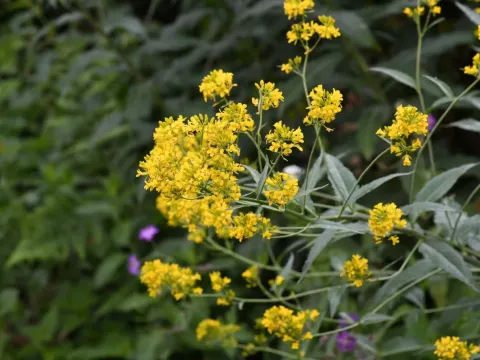
Sisymbrium strictissimum
Sisymbrium strictissimum
Sisymbrium strictissimum is a perennial herbaceous plant belonging to the Brassicaceae family. It is typically sown in late autumn or early spring, as soon as the soil temperatures reach a stable +5...+8 degrees Celsius.
What the section contains
Sisymbrium strictissimum
Seeds require a period of stratification to break dormancy and ensure uniform germination. Sowing in autumn is often preferred as it allows the seeds to undergo natural winter hardening, leading to more vigorous growth during the spring season.
The optimal planting depth is between 1 and 2 centimeters. Sowing in rows spaced 30 to 45 centimeters apart facilitates mechanical weed control and ensures adequate aeration for the developing root systems.
During the first year, the plant allocates energy to developing a strong basal rosette and an extensive root network. This developmental stage is crucial for ensuring the survival of the plant during harsh winter conditions.
Careful seedbed preparation is vital. The field must be free from aggressive perennial weeds, as the plant is highly sensitive to competition during the early stages of its establishment.
This crop thrives in fertile, well-drained loam or sandy loam soils. While it is hardy, it does not tolerate waterlogged conditions, which can lead to root decay and significant loss of biomass.
Sisymbrium strictissimum requires high levels of light exposure to reach its full productive potential. Shaded environments drastically reduce growth rates and the quality of the harvested vegetative matter.
The optimal temperature range for growth is between +15 and +22 degrees Celsius. The crop shows strong resilience against low temperatures, making it suitable for cultivation in temperate climates.
Soil nutrient status is critical. Applying organic fertilizers or nitrogen-based amendments before sowing promotes faster root development and increases overall plant yield.
While the plant displays some drought resistance due to its deep taproot, maintaining moderate soil moisture during the active stem-elongation phase is essential for maximizing harvest quality.
The crop is highly valued as an early honey plant, providing crucial nectar for pollinators early in the season when other sources are scarce. It is also explored as a potential high-protein forage crop.
Under favorable management, the crop can provide multiple harvests per season. Rapid regrowth after mowing ensures a continuous supply of biomass throughout the warmer months.
Seed production remains consistent for approximately 3 to 5 years. After this period, growers often rotate the crop or replant the area to maintain the density and productivity of the stand.
As a forage resource, it is palatable for livestock, provided it is harvested at the correct phenological stage before the stems become overly lignified and fibrous.
The nectar produced is of high quality, attracting commercial beekeepers who prioritize sites with stable, early-blooming flora to improve the health and production of their hives.
Common pests include cruciferous flea beetles and rape blossom beetles, which can cause severe damage during the early rosette and budding stages. Regular monitoring is essential for timely intervention.
The crop is susceptible to fungal pathogens like downy mildew and white rust, especially during periods of high humidity and poor air circulation within the canopy.
- Strict adherence to crop rotation to avoid Brassicaceae-specific soil pathogens.
- Active weed control to eliminate alternative hosts for common pests.
- Preventative use of organic-approved fungicides when climatic conditions favor disease outbreaks.
Pest management programs should prioritize the protection of beneficial insects, especially since the crop serves as a vital resource for honeybees during the flowering period.
Proactive field management, including proper spacing and nutrient balance, significantly enhances the natural resistance of the plants to pest and disease pressure.
Harvesting for forage is best conducted at the onset of the flowering phase. This timing provides the optimal balance of nutrient density, protein content, and digestible fiber.
For seed production, direct harvesting with a combine is standard practice. The process should be initiated when the lower pods turn a light brown color to minimize seed shattering.
Once harvested, seeds must be thoroughly cleaned and dried to a moisture content of 12% to ensure long-term stability and prevent fungal growth in storage facilities.
When cutting for feed, maintaining a stubble height of at least 7 centimeters is crucial. This helps prevent damage to the crown and promotes rapid regeneration for subsequent cuts.
Harvested green mass should be dried promptly or processed into silage to lock in nutritional quality and prevent spoilage before the product reaches the livestock feeding area.