
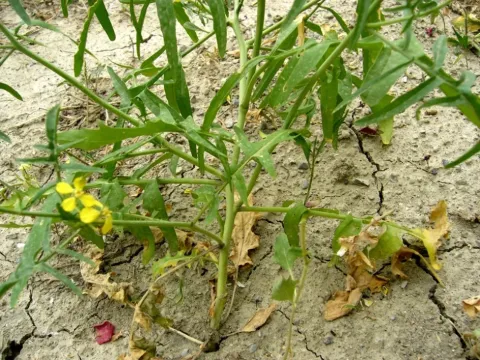
Sisymbrium septulatum
Sisymbrium septulatum
Sisymbrium septulatum is a herbaceous plant belonging to the Brassicaceae family. It is known for its resilience and ability to thrive in harsh environments, often occurring in dry, steppe-like regions across its natural geographical range.
What the section contains
Sisymbrium septulatum
The plant demonstrates a strong preference for well-drained, sandy-loam soils. It requires significant exposure to direct sunlight and is highly sensitive to waterlogging, which can easily lead to root rot in poorly structured soil types.
Regarding climate, this species is exceptionally well-adapted to continental conditions with wide seasonal temperature fluctuations. It possesses strong drought tolerance mechanisms, allowing it to complete its life cycle even under limited rainfall.
Cultivation practices should focus on maintaining optimal plant density to ensure sufficient airflow, as high humidity around the foliage can trigger the development of various fungal pathogens characteristic of the Brassicaceae family.
In terms of economic potential, the seeds of this plant contain valuable lipids. Research into domestication focuses on improving harvest uniformity and increasing the oil yield per hectare through standard agronomic breeding techniques.
The primary agricultural threat to Sisymbrium septulatum comes from flea beetles, which feed on the cotyledons during the early stages of growth. Without proper management, these pests can decimate seedling populations in a short timeframe.
Another significant pest is the pollen beetle. This insect targets the buds, causing abortion of flowers and a significant reduction in seed production, which is a major concern for those cultivating the plant for its oil.
Pathogenic threats include clubroot, a soil-borne disease that causes galls on the root system. This disease is particularly prevalent in soils with acidic pH and high moisture content, severely inhibiting nutrient uptake.
Downy mildew is also a common issue, manifesting as yellowish lesions on the leaf surface. It spreads rapidly under cool, humid weather conditions and can cause severe defoliation if not controlled with appropriate systemic fungicides.
Integrated pest management strategies should include crop rotation, the use of certified seed material, and the application of balanced fertilizers to strengthen the plant's natural resistance against common Brassicaceae pathogens.