
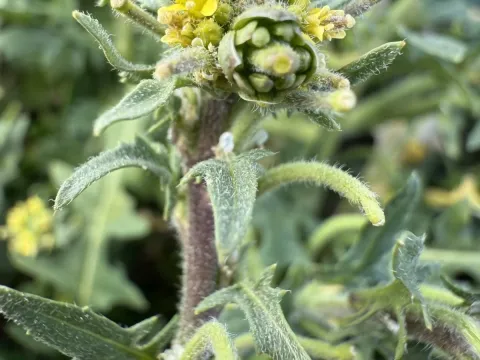
Sisymbrium runcinatum
Sisymbrium runcinatum
Sisymbrium runcinatum is typically sown in early spring or autumn, depending on the specific agro-climatic zone. Successful establishment requires a firm, well-prepared seedbed to ensure optimal soil-to-seed contact for the tiny seeds.
What the section contains
Sisymbrium runcinatum
The seeding depth should be shallow, generally between 0.5 and 1.5 cm. Deep sowing significantly reduces germination rates, as the seeds have limited energy reserves to push through deep soil layers.
Uniform distribution of seeds is achieved using standard grain drills with narrow row spacing. Proper calibration of equipment is essential due to the very small size of the seeds.
Early sowing takes advantage of winter moisture, allowing the plants to establish a strong rosette phase before the onset of the peak summer heat, which is vital for later reproductive success.
Crop rotation is essential when cultivating this species. It should not follow other members of the Brassicaceae family to reduce the risk of shared diseases and soil-borne pathogens.
As a member of the Brassicaceae family, this plant thrives in well-drained, fertile soils ranging from sandy loams to silty clays. It prefers a neutral to slightly alkaline soil pH for maximum nutrient uptake.
The plant is highly responsive to sunlight; it should be planted in open field conditions where it can receive full exposure to solar radiation throughout the day to support vigorous growth.
Water requirements are moderate, but the plant is sensitive to moisture stress during the bolt and flowering stages. Supplemental irrigation may be necessary in drier regions to ensure consistent yields.
Optimal growth temperatures for this species are moderate, typically between 15 and 22 degrees Celsius. High heat can force the plant into early maturity, reducing overall biomass production.
Proper nutrient management involves providing balanced nitrogen, phosphorus, and potassium inputs. Nitrogen should be applied early to encourage vegetative growth during the rosette stage.
Like many mustard-family crops, it is susceptible to flea beetles which can cause significant damage to seedlings. Early-season monitoring and control are crucial to ensure plant survival.
Aphid infestations can occur during the bolting and flowering stages, potentially spreading viruses and reducing both seed quality and overall plant health if left unmanaged.
Fungal pathogens such as downy mildew or clubroot can be problematic in high-humidity conditions or in fields with poor drainage, necessitating stringent field sanitation.
Integrated Pest Management (IPM) strategies are recommended. This includes the use of selective insecticides, biological controls, and cultural practices such as timely weeding to reduce habitat for pests.
Monitoring for signs of root rot is also important, especially if the crop is grown in low-lying areas where water accumulation might occur after heavy rainfall events.
Harvesting should be timed when the pods change color from green to light brown. The seeds must be hard and fully mature to ensure long-term viability and storage stability.
The pods of this species are prone to shattering as they dry. To minimize seed loss, it is recommended to harvest at a slightly higher moisture content or use swathing methods before threshing.
Direct combining is possible if the crop is treated with a pre-harvest desiccant to ensure even maturation. This approach reduces the risk of loss during unfavorable weather conditions.
Once harvested, the seed must be dried thoroughly to reach a moisture level below 12%. Proper aeration is key to preventing the growth of storage molds and maintaining seed vigor.
Cleanliness during the post-harvest process is essential. Removing chaff, dust, and weed seeds immediately after threshing significantly improves the grade and market value of the crop.