
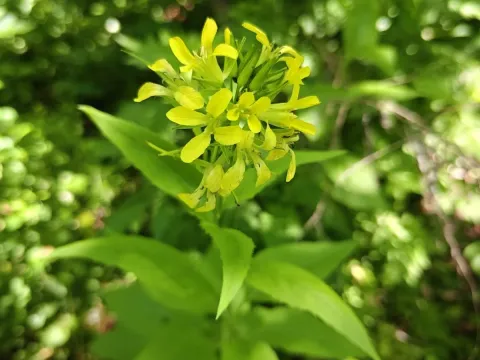
Sisymbrium luteum
Sisymbrium luteum
Sisymbrium luteum is a herbaceous perennial belonging to the Brassicaceae family. Sowing typically takes place in early spring once the soil temperature is consistently above 10 degrees Celsius, ensuring favorable conditions for germination.
What the section contains
Sisymbrium luteum
A well-prepared, fine-textured seedbed is crucial for this small-seeded species. Seeds should be sown at a shallow depth of 1-2 cm, allowing for adequate light penetration which often triggers the germination process in this genus.
Row spacing is generally maintained at 30-40 cm to allow for efficient weeding and air circulation. Proper spacing prevents the overcrowding of seedlings, which can lead to competition for nutrients and water.
Sowing in autumn is possible in milder climates, allowing for early spring growth and faster establishment. It is important to ensure the seedlings are well-rooted before the first frost arrives.
Seed treatment, including stratification, can significantly enhance field emergence rates. Consistent moisture during the first few weeks after sowing is essential for achieving a uniform stand density.
This crop thrives in sunny locations with well-drained, fertile soil. It performs best in neutral to slightly alkaline pH soils, displaying good resilience across various soil textures including loams and sandy loams.
Adequate water supply is necessary, especially during the vegetative growth phase. While moderately drought-tolerant once established, irrigation is recommended during prolonged dry spells to maximize yield.
Waterlogging must be avoided, as stagnant water is detrimental to the root system and promotes the growth of harmful pathogens. Improving field drainage is a primary task for successful cultivation.
The plant responds well to organic fertilization added during soil preparation. A balanced supply of nitrogen, phosphorus, and potassium supports both leafy growth and reproductive success.
The optimal temperature range for development is between 18°C and 25°C. The species is hardy, showing good tolerance to cold, although severe winter conditions require protection in some northern regions.
Crucifer flea beetles are the most significant pests during the seedling stage, capable of causing severe damage to leaves. Regular monitoring and timely application of insecticides are recommended for control.
Powdery mildew can infect leaves in humid, stagnant conditions. Maintaining proper plant density and good airflow within the crop canopy are essential cultural practices to mitigate this risk.
Root rot diseases are often associated with poor soil structure and inadequate crop rotation. A rotation cycle of at least 3 years away from other Brassicaceae is vital to break the infection cycle.
Leaf-eating insects, such as larvae of various moths, may occasionally reduce photosynthetic capacity. Integrated pest management strategies are preferred to maintain the health of the crop.
Weed control is critical, especially in the early stages of development. Hand hoeing or shallow mechanical cultivation between rows helps keep the crop competitive and healthy.
Harvesting for green biomass is most effective during the full bloom phase, when active botanical compounds are at their peak. Plants are cut above ground level to ensure minimal disturbance to the root system.
For seed production, harvesting occurs when the pods turn from green to brown and begin to dry. It is essential to harvest before the pods shatter to prevent significant yield losses.
Mechanical harvesting with modified combines is standard practice for large-scale operations. Careful adjustment of harvest equipment is required to balance efficiency with minimal seed damage.
Once harvested, biomass and seeds must be dried in a ventilated, shaded environment. Achieving correct moisture levels is key to preventing decay and ensuring long-term storage viability.
Storage should be conducted in dry, dark, and rodent-proof containers to maintain the quality of the seeds until they are needed for processing or future planting seasons.