

Reference · Crops
Radish
Raphanus L.
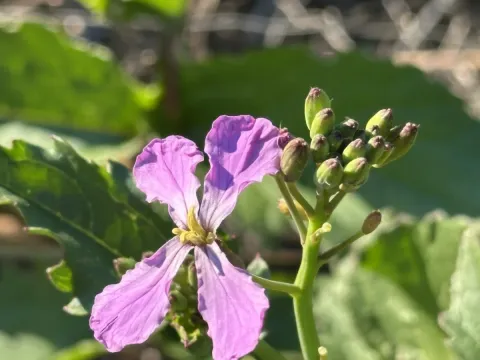
Radish (Raphanus L.) is a cool-season vegetable belonging to the Brassicaceae family. The timing of sowing is critical as it is highly sensitive to day length and temperature, which influence its bolting behavior.
7
items
What the section contains
 Radish
Raphanus sativus L.
577 products
Radish
Raphanus sativus L.
577 products
 Wild radish
Raphanus raphanistrum L.
1 product
Wild radish
Raphanus raphanistrum L.
1 product
 Black radish
Raphanus sativus L. var. niger (Mill.) S. Kerner
Black radish
Raphanus sativus L. var. niger (Mill.) S. Kerner
 Chinese radish
Raphanus sativus L. convar. lobo Sazon. et Stankev. var. lobo
Fodder radish
Raphanus sativus L. var. oleiformis Pers.
Japanese radish
Raphanus sativus L. ssp. acanthiformis (Morel) Stankev
Radish
Raphanus sativus L. var. sativus
Chinese radish
Raphanus sativus L. convar. lobo Sazon. et Stankev. var. lobo
Fodder radish
Raphanus sativus L. var. oleiformis Pers.
Japanese radish
Raphanus sativus L. ssp. acanthiformis (Morel) Stankev
Radish
Raphanus sativus L. var. sativus
Marketplace
Products in this section · 12
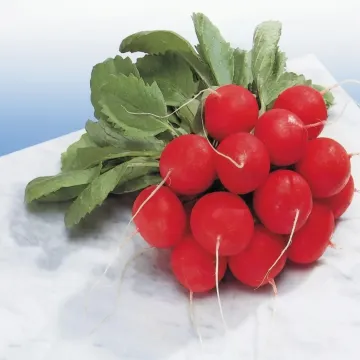
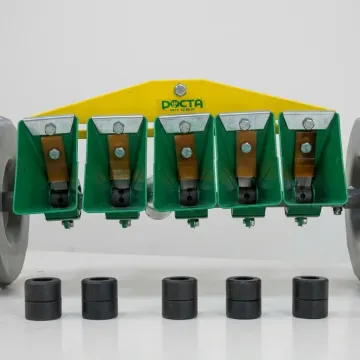


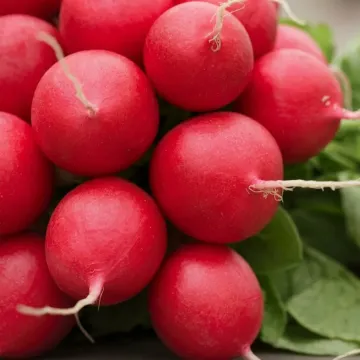
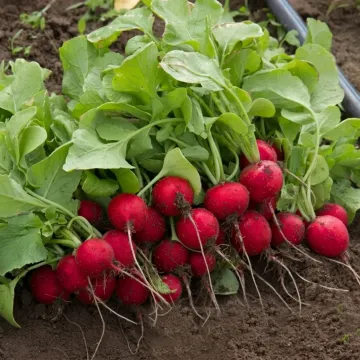

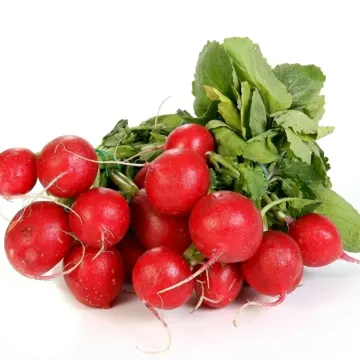
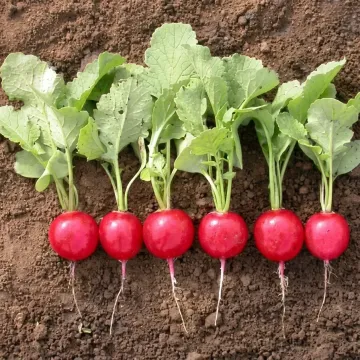


Radish
For spring varieties, sowing should begin as soon as the soil can be worked, typically when temperatures reach 5 to 10 degrees Celsius. This ensures the roots develop before the heat of summer sets in.
Winter radishes require a different schedule, with sowing typically taking place in mid-summer. This allows the plants to mature during the cooling temperatures of autumn, resulting in better quality and storage potential.
Seeds should be sown at a depth of about 2 cm in well-prepared soil. Proper spacing is essential; seeds should be placed 5-10 cm apart to ensure each plant has enough room to develop its root system effectively.
Regular irrigation immediately after sowing helps ensure quick and uniform germination. Avoid crusting of the soil surface, as this can hinder the emergence of delicate seedlings.
Radishes thrive in loose, well-drained, and fertile soils. A sandy loam texture is ideal, as it allows the root to expand without resistance, ensuring a smooth and marketable shape.
Consistency in moisture is paramount. Fluctuations in soil water levels often lead to splitting or cracking of the roots, which significantly decreases their quality and shelf life.
The optimal temperature range for growth is between 15 and 20 degrees Celsius. Higher temperatures during the root expansion phase can cause the radish to become woody, pithy, and overly pungent.
The crop prefers a neutral pH soil. In acidic conditions, the risk of clubroot increases dramatically. If the soil is too acidic, liming should be performed well in advance of the planting season.
Regarding fertilization, moderate applications of compost or well-balanced NPK fertilizers are beneficial. Excessive nitrogen should be avoided as it encourages leaf growth at the expense of root development.
Achieving a high yield requires careful management of plant density and field maintenance. On average, commercial radish cultivation can produce significant tonnage per hectare under ideal conditions.
Thinning is an essential part of the process. Removing excess plants early ensures that the remaining ones receive adequate sunlight and nutrients, preventing overcrowding and competition.
Modern irrigation technologies, such as drip lines, allow for precise water application, which is a significant factor in maximizing the uniformity of the harvest and overall yield per square meter.
Selecting the right variety for the specific planting season is crucial for consistency. Using high-quality, certified seeds contributes to uniform growth rates and predictable harvesting times.
Proper weed control is also necessary, as weeds compete for water and nutrients and can harbor pests that affect the radish crop throughout its development cycle.
Flea beetles are the most common pest during the early stages of radish development, often leaving characteristic small holes in the leaves. Quick intervention is necessary to protect young plants.
Root maggots can severely damage the harvest by boring into the roots, making them susceptible to rot and unattractive for the consumer market.
Disease management is centered around crop rotation. Growing radishes in the same spot consecutively should be avoided to minimize the buildup of soil-borne pathogens like clubroot and Fusarium.
Good field hygiene, including the removal of crop residues, helps reduce the population of overwintering pests and disease spores that could threaten future plantings.
- Flea beetles
- Cabbage root maggot
- Clubroot (Plasmodiophora brassicae)
- Damping-off
- Downy mildew
Harvesting should be done as soon as the roots reach the desired size. Leaving radishes in the ground for too long after maturity can result in loss of texture, internal pithiness, and a bitter taste.
For large-scale operations, mechanical harvesters can be used, although small-scale plots are often harvested manually to ensure the best care for the roots and avoid bruising.
After pulling the radishes, the foliage should be trimmed to prevent moisture loss from the root. The roots should then be cleaned and cooled as quickly as possible to maintain freshness.
For storage, temperature control is essential. Keeping radishes at 0-2 degrees Celsius with high humidity allows them to be stored for several weeks or even months, depending on the variety.
When selecting roots for long-term storage, only sound, unblemished specimens should be chosen. Damaged roots are prone to decay and can compromise the quality of the entire storage lot.