

Description
Sowing dates
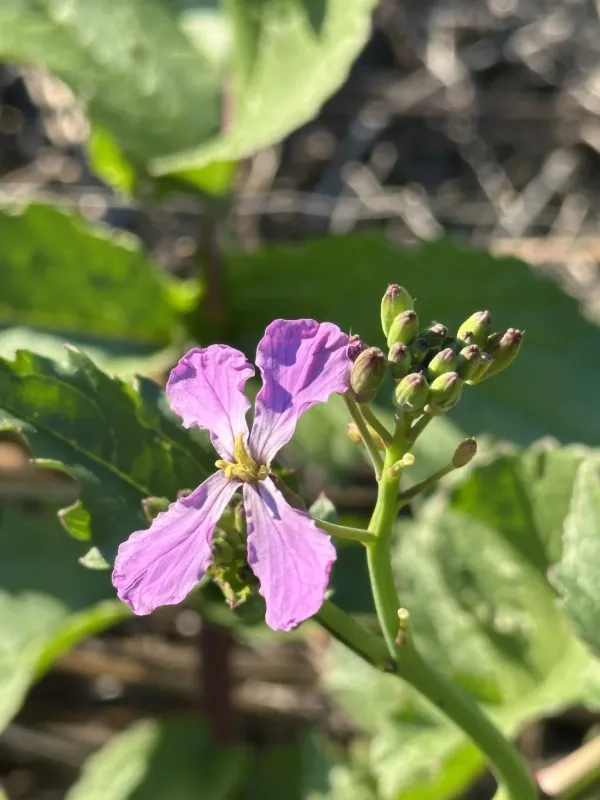
Wild radish (Raphanus raphanistrum) is a widespread annual weed from the Brassicaceae family, recognized for its aggressive growth and adaptability. It reproduces solely through seeds, which exhibit high dormancy and can remain viable in the soil for over a decade.
Germination typically occurs in early spring, often peaking when soil temperatures reach 4 to 10 degrees Celsius. The species is highly capable of emerging throughout the entire growing season if adequate moisture is available, making it a persistent challenge.
The seeds can germinate from depths of up to 5-8 centimeters, which allows them to bypass shallow mechanical weed control methods. This depth flexibility contributes to the difficulty of managing the soil seed bank effectively through tillage alone.
A single plant can produce a vast quantity of seeds, often ranging from 10,000 to over 30,000, depending on the environmental conditions. This massive reproductive potential ensures the species remains a dominant presence in disturbed agricultural soils.
Wild radish seedlings are remarkably frost-tolerant, often surviving early-season cold snaps that might inhibit other weeds. This hardiness allows them to gain a competitive advantage early in the development of winter and spring crops.
Growing requirements
While wild radish thrives in various soil types, it shows a preference for nutrient-rich, well-drained loams. It is frequently found in cereal crops, legumes, and oilseed fields where it competes intensely for nitrogen, water, and sunlight.
Effective management relies on a combination of crop rotation and timely herbicide application. Rotating winter and spring crops helps disrupt the life cycle of the weed by varying the timing of mechanical and chemical interventions.
Mechanical control, such as pre-sowing tillage and inter-row cultivation, is most effective during the seedling stage. Once the plant develops a rosette, its taproot becomes well-established, making it more resilient to shallow weeding efforts.
Chemical control strategies typically involve the use of selective herbicides applied when the weeds are small. Resistance to certain herbicide groups has been documented in some regions, necessitating the use of integrated management practices.
Cultural practices, such as increasing seeding rates of the main crop, can create a competitive canopy that shades out wild radish seedlings. By maximizing crop biomass early, farmers can significantly reduce the establishment of this weed.
Main diseases and pests
Wild radish serves as a critical alternate host for several pathogens that affect commercial Brassicaceae crops, such as clubroot, downy mildew, and various bacterial blights. This increases the disease pressure on rapeseed and mustard plantings.
The weed acts as a habitat for significant pests, including flea beetles, cabbage aphids, and the pollen beetle. These insects move from the wild radish onto high-value crops, causing extensive damage and increasing the need for insecticide usage.
- Clubroot
- Downy mildew
- Flea beetles
- Cabbage aphids
- Pollen beetles
The presence of wild radish in a field causes a significant reduction in grain yield by stealing vital nutrients and light during the critical stages of crop growth. In extreme cases, infestations can lead to total crop failure in specific sections of the field.
Post-harvest contamination of grain samples with wild radish seeds reduces the quality and marketability of the produce. Cleaning these seeds from cereal crops requires sophisticated equipment and adds substantial costs to the post-harvest processing chain.
Content graph
Connections · Wild radish
Most often together:
Marketplace