
Japanese radish
Raphanus sativus L. ssp. acanthiformis (Morel) Stankev
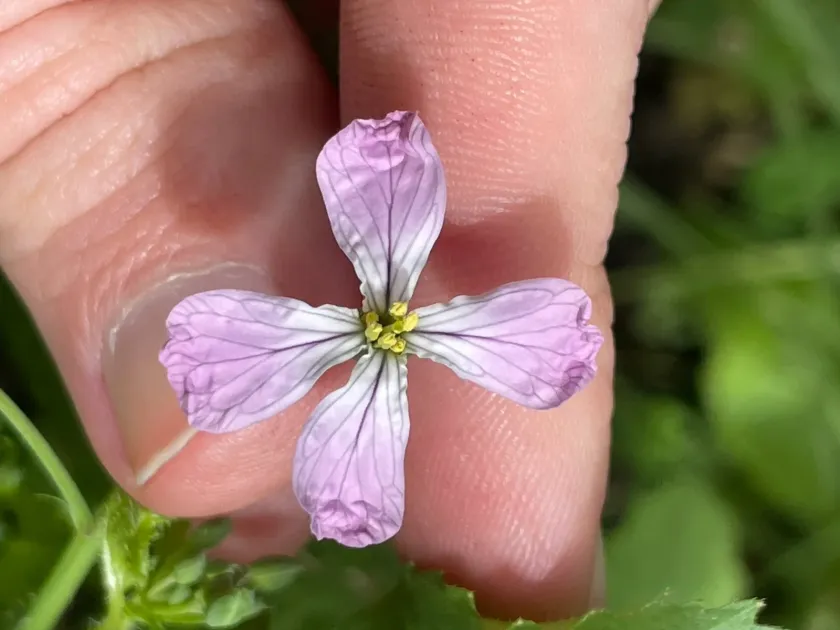
Description
Sowing dates
Japanese radish, commonly known as Daikon, is a member of the Brassicaceae family. The optimal sowing time is late summer, specifically from late July to mid-August, to avoid the long days of early summer.
Day length is a critical factor for Daikon, as prolonged exposure to light during the peak of summer encourages the plants to bolt or produce flowers, which ruins the quality of the root.
Seeds are sown directly into the soil in rows spaced 40 to 50 cm apart, with individual plants placed 20 to 25 cm apart to ensure adequate space for root expansion.
The seeds should be planted at a depth of 2–3 cm. It is essential to ensure that the soil remains moist until germination, which usually occurs within a week.
In regions with shorter growing seasons, it is possible to use early spring sowing with specialized cold-resistant varieties, though this requires careful monitoring of temperature spikes.
Growing requirements
Daikon thrives in loose, well-drained loamy or sandy soils. Deep cultivation is mandatory, as some varieties can produce roots that grow deep into the ground, needing at least 40–50 cm of loosened soil.
The plant prefers cool to moderate temperatures, ideally between 15°C and 22°C. Excess heat can lead to bitter, tough, or woody textures in the harvested root.
Regular irrigation is vital. Inconsistent water supply results in cracked roots and an uneven growth rate. Soil moisture should be maintained uniformly throughout the growing season.
Daikon is sensitive to soil acidity and performs best in neutral pH soils. Adding compost helps improve both soil structure and nutrient content without causing the deformities associated with fresh manure.
Sunlight is necessary, but the plant's sensitivity to day length means that in some climates, partial shade during the hottest part of the day can be beneficial to prevent bolting.
Yield
Yield varies by variety and management practices, but a well-tended crop can produce between 5 and 10 kilograms per square meter. Growth speed varies depending on the variety.
The vegetative cycle typically spans 50 to 80 days. Selecting appropriate varieties for the specific climate zone allows for a predictable harvest schedule during the cooler months of autumn.
High-quality yields are characterized by smooth, uniform roots without secondary root branching, which usually occurs when the soil is rocky or too compacted.
To maximize yields, maintain a strict weed-control schedule, as weeds compete heavily for nutrients and water in the early growth stages of the Daikon plants.
Proper thinning of seedlings is necessary to ensure each plant has enough space, as overcrowded plants tend to produce smaller, thinner roots that lack commercial appeal.
Main diseases and pests
Flea beetles are the most common and damaging pest during the seedling stage, often skeletonizing the leaves rapidly. Physical barriers like row covers are highly effective.
Root maggots caused by the cabbage maggot fly can bore into the developing root, rendering the vegetable unmarketable. Preventing infestation involves crop rotation and avoiding planting near other brassicas.
Bacterial soft rot and clubroot are significant diseases. Clubroot creates swellings on the roots and is particularly prevalent in acidic, damp soil conditions.
Regular observation is needed to spot signs of aphids or cabbage worms. If detected, organic insecticidal soaps or biological control agents should be deployed promptly.
- Use crop rotation to disrupt pest life cycles.
- Maintain proper spacing for better air circulation and moisture management.
- Remove any diseased plant tissue immediately from the field.
- Apply lime to acidic soils to help prevent clubroot issues.
Harvesting
Harvesting should be completed before the soil freezes significantly. Frost-damaged tops can negatively impact the keeping quality of the root during storage.
Using a garden fork is recommended to lift the roots gently from the ground to prevent snapping the long, delicate tips that are characteristic of many Daikon varieties.
Once lifted, shake off excess soil and trim the foliage to about 2–3 cm above the root crown to reduce water loss through transpiration after harvesting.
Daikon stores best in a cool, humid environment. Keeping them in ventilated boxes with damp sand in a basement or cold cellar helps preserve their crisp, juicy texture for months.
Freshly harvested Daikon can be kept in a refrigerator for a few weeks, but for long-term supply, cool storage temperatures near 0°C are ideal.