
Radish
Raphanus sativus L. var. sativus
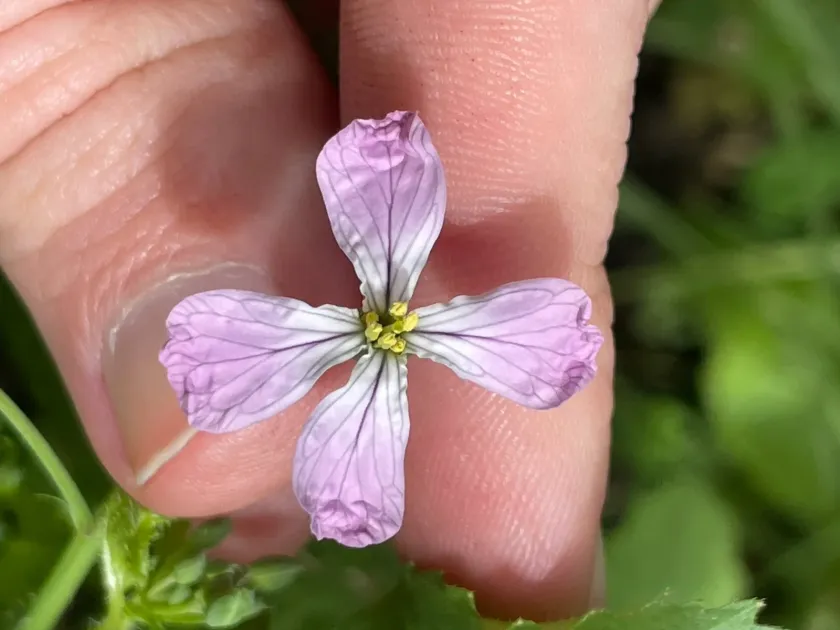
Description
Sowing dates
Radish (Raphanus sativus L. var. sativus) is an annual or biennial plant belonging to the Brassicaceae family. In temperate climates, sowing is carried out in two stages: early spring (April) for summer consumption and in the second half of summer (July) for winter storage.
For early harvest, seeds are sown in open ground as soon as the soil warms up to +5...+8°C. This crop is known for its high cold resistance, and seedlings can withstand short-term frosts down to -3°C.
During summer sowing, it is crucial to adhere to specific timing so that the root formation period does not coincide with the peak of long daylight hours, which triggers premature bolting. Mid-July is considered the optimal time for planting winter varieties.
The sowing scheme depends on the variety: for small cultivars, a row-based method with 20–25 cm between rows is used, while for large winter types, this distance is increased to 40–50 cm. Seed depth is typically 2–3 cm, depending on soil texture.
Radish crops require regular thinning. The first thinning is performed at the two-true-leaf stage, leaving 5–8 cm between plants, followed by a second thinning two weeks later, increasing the spacing to 15–20 cm for full root development.
Growing requirements
The plant is demanding regarding soil fertility and prefers structural loamy or sandy soils with a neutral reaction (pH 6.0–7.0). In acidic soils, radishes are highly susceptible to clubroot, making preliminary liming of the plot necessary.
The crop is light-loving but reacts negatively to excessive daylight hours. Intense illumination combined with high temperatures accelerates the plant's transition to the generative phase, which sharply decreases the quality of the marketable root.
The optimal temperature for active growth is +15...+20°C. In hot and dry weather, roots become coarse, lose juiciness, and acquire an overly sharp taste; therefore, regular irrigation is a key factor in successful agronomy.
Radishes respond very well to organic and mineral fertilizers. However, applying fresh manure is not recommended, as it often causes root deformation and provokes the development of various fungal diseases.
Soil moisture should be consistent throughout the growing season. Lack of water leads to cracking, while excess moisture causes rotting and reduces storage potential, which is especially critical for late-maturing varieties.
Yield
The yield of radish varies from 2 to 5 kg per square meter, depending on the variety, agronomic background, and growing region. Early-ripening varieties allow for harvest within 40–60 days after sowing.
Biologically, the crop is valued for its high content of B vitamins, vitamin C, enzymes, and essential oils. The roots are widely used in culinary preparations as fresh ingredients for salads and possess recognized medicinal properties.
Economic use also includes seed production for subsequent seasons. In industrial production, particular attention is paid to the uniformity of roots in shape and mass, which significantly simplifies the mechanization of the harvesting process.
To increase yields, intensive technologies are used, including drip irrigation and the application of balanced fertilizers during critical growth phases, such as leaf canopy closure and the start of intensive root thickening.
When stored properly in cool facilities, winter radish varieties maintain their market quality for 4–6 months, making it a valuable crop for supplying fresh vegetables during the winter season.
Main diseases and pests
The main pests for radishes are members of the Brassicaceae family: flea beetles, cabbage flies, and cabbage butterflies. They can cause significant damage to seedlings by eating leaf tissue and attacking the plant's root collar.
Among fungal diseases, clubroot and downy mildew (peronospora) pose the greatest danger. Clubroot causes the formation of growths on roots, preventing growth and eventually killing the plant, with the fungus remaining in the soil for several years.
Bacteriosis or soft rot often manifests in hot weather, causing the softening and decay of root tissues. Prevention of this disease consists of crop rotation and avoiding root damage during weeding or cultivation.
- Strict adherence to crop rotation (avoiding planting after other Brassicaceae).
- Eradication of weeds belonging to the cabbage family.
- Seed dressing before sowing.
- Selection of varieties resistant to clubroot and other diseases.
- Timely pest control using insecticides or cultural methods.
Effective protection relies on proper care, including maintaining optimal moisture levels and timely removal of infected plants from the plot, which prevents the spread of infection to healthy ones.
Harvesting
Harvesting is performed selectively as the roots reach marketable size. For summer consumption, radishes are pulled from the soil, topped, and used immediately as they lose moisture and flavor quickly.
Harvesting of winter varieties should occur before the onset of hard frosts, as frozen roots do not store well. The optimal timing is generally the second half of September or early October.
During harvest, it is important not to damage the root skin, as any scratches become entry points for pathogenic microorganisms. After pulling, roots are cleaned of soil, dried in the shade, and tops are trimmed, leaving short stems.
For long-term storage, radishes are placed in crates with sand or plastic bags, maintaining a storage temperature of +1...+3°C and high humidity to prevent the roots from wilting.
Properly organized harvesting and post-harvest handling allow for maximum retention of the crop's nutritional value, ensuring the market is supplied with high-quality produce until the following spring.