
Fodder radish
Raphanus sativus L. var. oleiformis Pers.
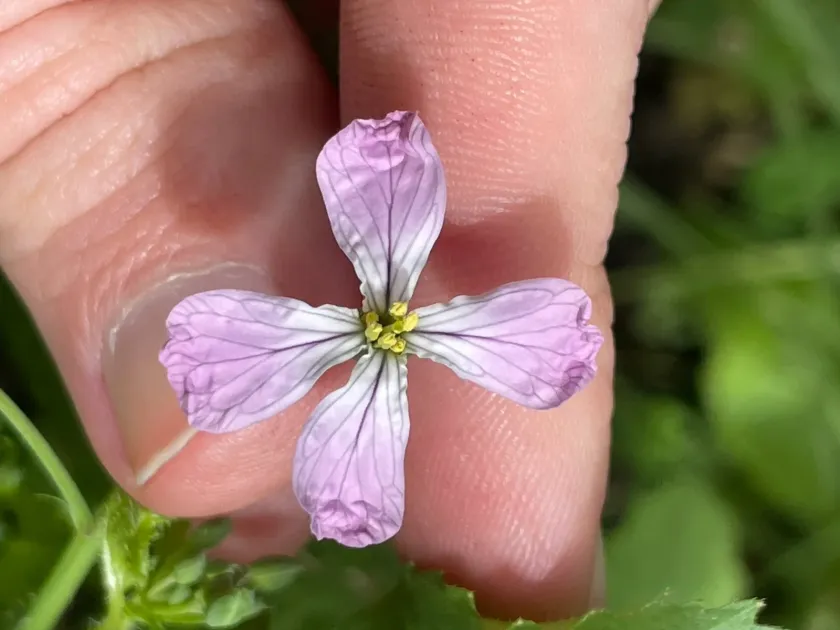
Description
Sowing dates
Fodder radish is a cold-tolerant crop that can be sown early in the spring as soon as the soil temperatures reach approximately 3 to 5 degrees Celsius.
In most agricultural systems, it is sown in late summer or early autumn to act as a cover crop, allowing it to establish a strong root system before winter.
The seeding rate typically ranges from 20 to 30 kg per hectare, depending on whether it is intended for forage, seed production, or as a green manure fertilizer.
Seeds should be planted at a depth of 2 to 3 cm, ensuring adequate soil-to-seed contact, which promotes uniform germination across the cultivated field.
Its rapid emergence and early-season vigor allow the crop to shade out competing weeds, reducing the need for chemical herbicide interventions.
Growing requirements
As a member of the Brassicaceae family, fodder radish is highly adaptable to various soil types, performing well in both sandy, clay, and even slightly acidic soils.
This crop is recognized for its significant cold tolerance, often surviving light frosts, which makes it an ideal choice for temperate climates and autumn planting.
Moisture is critical during the initial growth stages; while the plant develops a deep taproot, it requires sufficient water to maximize its biomass production.
Fodder radish thrives under long-day conditions, which accelerates its development and transition to the flowering stage once the plant is established.
Soil fertility is important for optimal yields; however, the plant is known for its ability to scavenge residual nitrogen left by previous crops, preventing nutrient leaching.
Yield
Biomass production is a key feature of this crop, with yields reaching between 30 and 45 tonnes of green matter per hectare under favorable growing conditions.
The deep-reaching taproot system can penetrate compacted soil layers up to a meter deep, effectively fracturing soil and improving drainage for subsequent plantings.
Seed yields are substantial, typically ranging from 1 to 1.5 tonnes per hectare, providing an additional economic incentive for seed-producing operations.
The rapid accumulation of organic matter makes fodder radish one of the most efficient choices for farmers looking to enhance soil organic carbon and fertility.
When used as forage, the crop provides high-quality nutrition for livestock, containing significant levels of crude protein and essential minerals during its vegetative phase.
Main diseases and pests
Flea beetles are the most common pests affecting fodder radish during the seedling stage, often requiring careful monitoring to prevent excessive damage.
Aphids and cabbage worms may also pose threats, especially during warm and dry periods, necessitating integrated pest management strategies to keep populations in check.
Pathological risks include diseases like clubroot and powdery mildew, which can become prevalent if crop rotation practices are not strictly followed.
To mitigate disease pressure, it is recommended to maintain a minimum three-year rotation cycle between fodder radish and other cruciferous species.
Proactive field management, including the removal of nearby cruciferous weeds, is essential to minimize the risk of virus transmission by insect vectors.
Harvesting
For green manure purposes, the crop should be mowed and incorporated into the soil just before the full flowering stage to maximize nutrient content.
If harvested for forage, grazing or mowing should occur while the stems are still succulent and have not become lignified or tough for livestock.
Seed harvesting requires a combine harvester, ideally used when the seed pods have turned brown but before they become overly brittle and prone to shattering.
Proper incorporation into the soil should involve disking or shallow plowing, which helps mix the plant matter with soil particles and accelerates the decomposition process.
Effective decomposition is usually achieved within a few weeks, leaving the soil enriched with nutrients and improved in physical structure for the next growing season.