
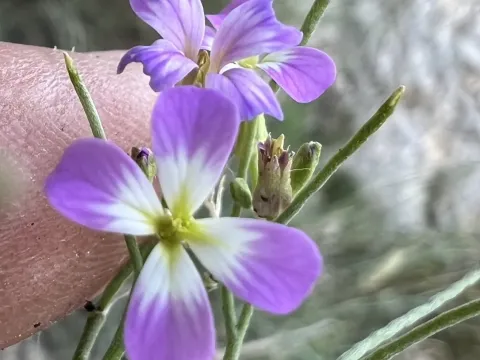
Malcolmia orsiniana
Malcolmia orsiniana
Malcolmia orsiniana is typically propagated from seeds. The preferred method is direct sowing into open ground once the danger of spring frost has completely passed.
What the section contains
Malcolmia orsiniana
For earlier blooms, seeds can be started indoors in seed trays or individual peat pots. Due to the plant's taproot, it does not handle transplanting well, making individual pots essential.
The seeds should be sown shallowly, barely covering them with a light layer of substrate. Consistent, light moisture is required for germination, which usually occurs within two weeks.
Once seedlings emerge, they require bright, indirect light to prevent etiolation. Thinning the seedlings is necessary if they were sown too densely in the ground.
Spacing should be carefully managed to ensure each plant has enough room to develop its characteristic rosette and subsequent flowering stem.
As a member of the Brassicaceae family, Malcolmia orsiniana is well-adapted to environments that require resilience, such as rocky slopes and alpine regions of its origin.
Full sun is a strict requirement for this species. Without direct exposure to sunlight for the majority of the day, the plant will fail to produce an abundance of flowers.
The soil must be exceptionally well-draining. Ideal growing conditions include gritty or sandy soils with a neutral pH, preventing any accumulation of excess water around the roots.
It is a drought-tolerant species once established, which makes it an excellent candidate for xeriscaping or rock garden designs where irrigation is limited.
Fertilization should be kept to a minimum; excessive nutrients often lead to lush foliage growth at the expense of floral development, which is undesirable.
The most common disease risks involve root rot and damping-off, both of which are triggered by overwatering or poor drainage conditions in the growing area.
Crucifer-specific pests, such as flea beetles, are a significant threat to young plants, potentially causing severe aesthetic damage by chewing holes in the leaves.
Aphids can also colonize the inflorescences during warm, dry weather. Regular monitoring of the foliage and flower buds is recommended for early detection.
Using physical barriers or floating row covers during the early stages of growth can be an effective non-chemical way to protect the crop from flying pests.
Proper air circulation is the best preventive measure against fungal pathogens, ensuring the microclimate around the plant remains relatively dry.