
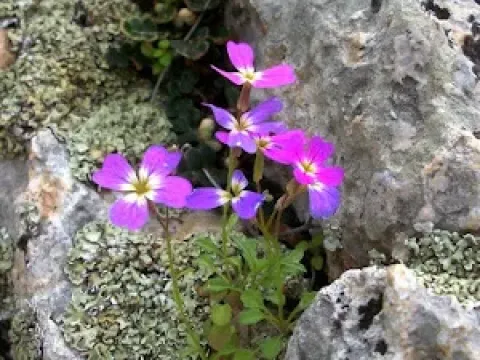
Malcolmia graeca
Malcolmia graeca
Malcolmia graeca is an annual herbaceous plant belonging to the Brassicaceae family. It is highly valued in horticulture for its ability to produce delicate, abundant flowers and its ease of maintenance in Mediterranean-style gardens.
What the section contains
Malcolmia graeca
The optimal sowing time for this culture is during early spring, once the danger of severe frost has passed and the soil has begun to warm up. In most climates, mid-April is the ideal window for direct outdoor sowing to ensure healthy germination.
Seeds are small and should be sown at a shallow depth of approximately 0.5 to 1 centimeter. They can be scattered in rows or drifts, depending on the desired visual effect in the garden layout, ensuring consistent moisture until seedlings emerge.
Once seedlings reach a few centimeters in height, they should be thinned to maintain a spacing of 15–20 centimeters. Proper spacing is essential for air circulation and preventing the overcrowding that can lead to disease outbreaks.
While direct seeding is preferred for better root development, starting plants indoors in seed trays during late winter can provide a head start in regions with short growing seasons, provided they are hardened off before transplanting.
This species thrives in full sun, which is necessary for compact growth and prolific blooming. When placed in shaded areas, the plant tends to become leggy and produces significantly fewer flowers, losing its aesthetic appeal.
Malcolmia graeca prefers well-drained, sandy, or light loam soils. It is remarkably well-adapted to poorer soil conditions but struggles in heavy clay soils that retain excess water, as these can promote root decay and fungal issues.
The plant demonstrates moderate drought tolerance once established, making it suitable for rock gardens and xeriscaping. During prolonged dry spells, however, occasional watering will encourage a more vibrant and long-lasting display of blossoms.
A neutral to slightly alkaline pH is ideal for this crop. Soil preparation should include clearing weeds, as the plant is not highly competitive against vigorous weeds during its early growth phases, and incorporating organic matter if the soil is too sandy.
The plant is relatively undemanding in terms of nutrient supplementation. A light application of a balanced, slow-release fertilizer at the start of the season can help maintain plant vigor throughout the main flowering period.
Flea beetles are the most common pest associated with Malcolmia graeca, especially during the seedling stage. They feed on the leaves, creating small characteristic pits that can stunt the plant's growth if not managed promptly.
Aphids can pose a challenge by infesting tender stems and flower buds. Regular monitoring and the application of insecticidal soaps or neem oil solutions are generally effective in managing these outbreaks without harming beneficial pollinators.
Fungal diseases, including downy mildew and root rot, are typically associated with poor drainage and high humidity. Maintaining adequate space between plants and avoiding overhead irrigation can significantly reduce the risk of these pathogens.
Powdery mildew may occur if air circulation is insufficient or if the foliage remains wet for extended periods. Pruning affected areas and ensuring the planting site is airy are effective cultural controls for this common condition.
Good agricultural practice, such as rotating planting sites annually, is recommended to minimize the build-up of soil-borne diseases. This simple strategy significantly contributes to the overall health and longevity of the plant population in the garden.