
Malcolmia pygmaea
Malcolmia pygmaea
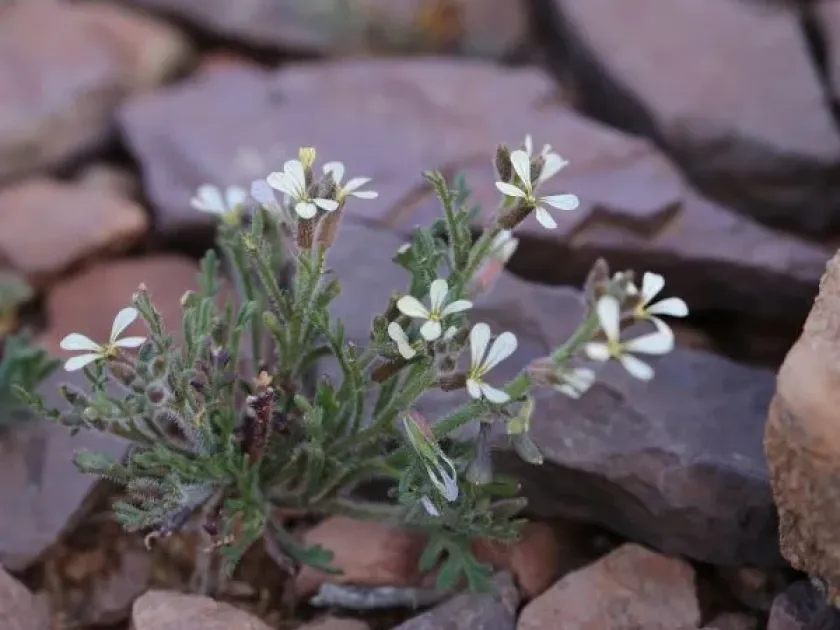
Description
Sowing dates
Malcolmia pygmaea is an annual herbaceous plant belonging to the Brassicaceae family. In agricultural practice, seeds are typically sown in early spring once the soil temperature reaches at least 10 degrees Celsius.
For container-grown crops or early flowering in greenhouses, sowing can begin in late March, ensuring that the seedlings receive sufficient light to prevent etiolation.
The seeds are small and should be sown at a shallow depth of approximately 0.5 centimeters, pressing them lightly into the substrate to ensure optimal soil contact.
Germination usually occurs within 7 to 10 days under consistent moisture and stable temperatures of 15–18 degrees Celsius. Careful irrigation is required during this critical period.
Once true leaves develop, thinning the seedlings is necessary to maintain a spacing of 10–15 centimeters, which promotes better air circulation and reduces the risk of fungal infections.
Growing requirements
This species requires full sun exposure to flourish. Cultivating it in shaded areas leads to weak, elongated stems and significantly reduces the abundance of flowers.
The plant thrives in well-drained, sandy or loamy soils. It is sensitive to waterlogging, as stagnant water in the root zone quickly causes rot and plant decline.
While Malcolmia pygmaea displays good drought resistance once established, supplemental watering is necessary during extended hot and dry periods to maintain health.
Low-fertility soils are generally sufficient, and heavy fertilization should be avoided. Excess nitrogen encourages lush vegetative growth at the expense of flower production.
Maintaining a neutral soil pH is ideal for nutrient absorption. If the soil is too acidic, applying lime before the planting season can help stabilize the growth conditions.
Main diseases and pests
The most significant pathological threat to this crop is clubroot, a fungal-like disease that severely affects the root system and can cause plant wilting and total loss.
Crop rotation is essential for disease management; planting Malcolmia in the same location should be avoided for at least three to four years to prevent soil-borne pathogens.
Cruciferous flea beetles are the primary insect pests. They can cause extensive damage to leaves, especially during the early growth stages of the plant.
Effective control involves monitoring the crop frequently and applying appropriate insect control measures, such as protective row covers or biological insecticides, if necessary.
Poor ventilation in dense plantings creates favorable conditions for powdery mildew, necessitating regular weeding and proper spacing to manage humidity levels.
Harvesting
Seed harvest is performed when the seed pods have fully matured and dried out on the plant, turning a light straw color and becoming brittle to the touch.
The collected pods should be spread out in a dry, well-ventilated area away from direct sunlight to finish drying before the seeds are threshed and cleaned.
Cleaning the seeds involves mechanical separation from debris and chaff, which ensures a high-quality product for future sowing and better storage results.
Properly dried seeds should be stored in breathable paper bags in a cool, dark environment to maintain their viability and germination rates until the next planting season.
In decorative use, deadheading is often practiced to extend the flowering period, though this should be discontinued if the intent is to collect seeds at the end of the cycle.