
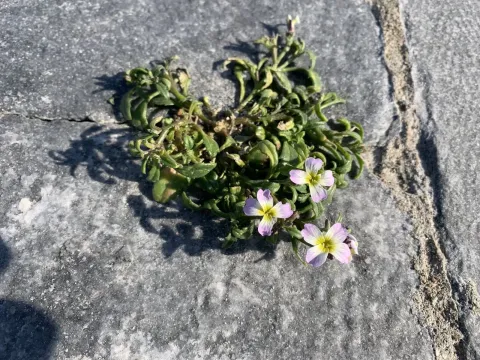
Malcolmia flexuosa
Malcolmia flexuosa
Malcolmia flexuosa is a charming annual plant belonging to the Brassicaceae family. It is typically propagated by sowing seeds directly into the garden soil during the spring season once the frost risk has passed.
What the section contains
Malcolmia flexuosa
Seeds should be sown at a shallow depth of approximately 0.5 to 1 centimeter to ensure proper germination. The soil temperature should be at least 10-12 degrees Celsius for successful establishment.
Spacing is a crucial factor for this plant's health. Seedlings should be thinned out to provide about 15 centimeters of space between individual plants, ensuring each has enough room to grow.
For a continuous display of flowers, gardeners often utilize succession planting. By sowing seeds every two to three weeks, it is possible to maintain a vibrant, blooming display throughout the warmer months.
The germination period is relatively short, usually spanning one to two weeks depending on soil temperature and moisture levels. Maintaining consistent soil moisture during this initial stage is vital for success.
This species thrives in sunny, open locations. While it can tolerate partial shade, full sun is highly recommended to encourage dense growth and an abundant supply of fragrant flowers.
The plant is native to environments with sandy, well-drained soils, such as coastal dunes. Therefore, it requires a light soil structure that prevents water stagnation, which can be fatal to its root system.
Soil fertility needs are low to moderate. It is best to avoid over-fertilizing with nitrogen, as this encourages vegetative growth at the expense of flowering performance and can make the plant "leggy."
Watering requirements are moderate. The plant possesses some degree of drought tolerance once established, but it performs best when the soil is kept consistently moist but not waterlogged.
In landscaping, it is frequently used as a filler in rock gardens or as a border plant due to its ability to adapt to poorer soil conditions that many other ornamental species struggle with.
As a member of the Brassicaceae family, Malcolmia flexuosa is highly susceptible to flea beetles, which can cause significant leaf damage in young plants during the spring growth phase.
Fungal issues such as powdery mildew can occur if there is poor air circulation or prolonged high humidity. Proper site selection to ensure good airflow is the best preventative strategy.
Root rot is a major threat in cases of excessive soil moisture. To prevent this, ensure the planting medium has excellent drainage and avoid heavy soil compositions that retain water for too long.
Aphids can occasionally colonize the terminal shoots and flower buds, sucking the sap and causing stunted development. Integrated pest management using insecticidal soaps can be effective.
- Monitor plants weekly for signs of insect infestation.
- Apply mulch to retain moisture while keeping the foliage dry.
- Use systemic fungicides only when preventative measures are insufficient.
- Maintain clean garden beds to reduce pathogen hiding spots.
- Ensure early detection to prevent secondary infections.