
Malcolmia macrocalyx
Malcolmia macrocalyx
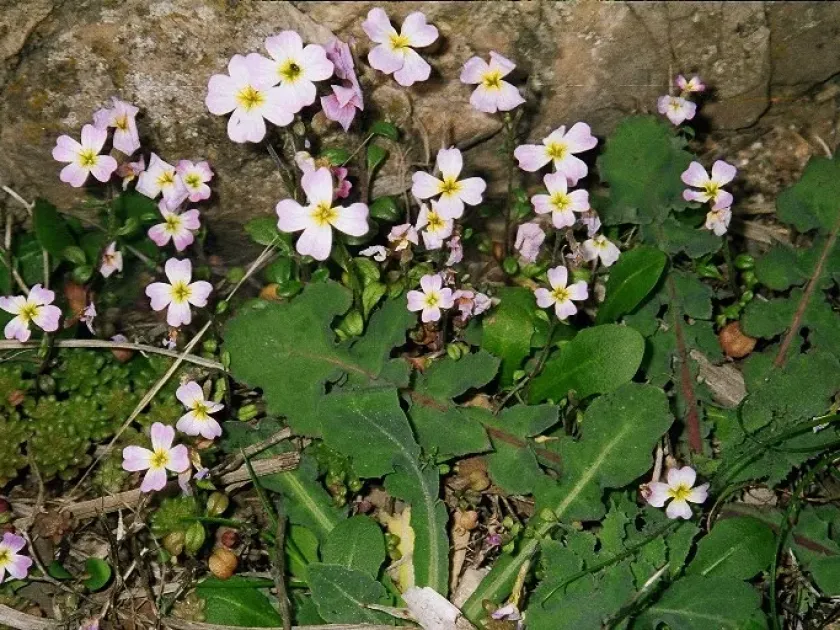
Description
Sowing dates
Malcolmia macrocalyx is a member of the Brassicaceae family, known for its specific ecological niche and rapid growth cycles. This plant is well-adapted to Mediterranean and Balkan climates, where it thrives in early spring conditions.
The sowing process begins when soil temperatures stabilize between 8 and 10 degrees Celsius. It is crucial to sow in well-prepared, loose soil to facilitate proper root development of the seedlings.
Seeds should be covered with a light layer of soil, approximately 1 centimeter deep. Maintaining consistent soil moisture during the germination phase is essential for achieving a high percentage of emergence.
Spacing is a vital agronomic factor; planting density should be adjusted to allow sufficient airflow, which minimizes the risk of fungal infections later in the growth cycle.
As a short-lived annual in many environments, the plant relies on timely sowing to complete its reproductive phase before the onset of the summer heat, which can lead to early senescence.
Growing requirements
Full sun exposure is a non-negotiable requirement for Malcolmia macrocalyx. Sufficient light levels ensure sturdy stems and prolific flowering, which are key characteristics of the species.
The ideal soil substrate is sandy or loamy with excellent drainage capacity. Waterlogged soils are detrimental to the root system and significantly increase susceptibility to root rot pathogens.
The soil pH should be maintained in the neutral to slightly alkaline range. If the soil is acidic, agricultural lime applications are recommended to balance the pH levels and improve nutrient availability.
While the plant is moderately drought-tolerant once established, supplemental irrigation is beneficial during the flowering stage to maintain blossom quality and extend the decorative period.
Nutrient management should focus on balanced fertilizers, avoiding excessive nitrogen, which can lead to lush vegetative growth but reduced floral output and structural integrity of the plant.
Main diseases and pests
Cruciferous flea beetles are the most significant threat to young plants, particularly during the cotyledon stage. Monitoring and timely intervention with appropriate control measures are necessary to protect the stand.
Fungal diseases, including powdery mildew and white rust, often occur if there is excessive humidity and poor air circulation. Proper plant spacing and avoiding overhead irrigation can mitigate these risks effectively.
Aphid infestations are common in warmer climates and can cause curling of leaves and stunted growth. Biological control methods or targeted applications of insecticidal soaps are preferred to manage these pests.
Root system pests, such as soil-borne nematodes, can affect plant vigor in previously cultivated areas. Crop rotation is the primary strategy to prevent the buildup of these harmful organisms.
Sanitation practices, such as the removal of plant debris after the life cycle ends, are crucial for reducing the inoculum level of common Brassicaceae diseases in the field.