
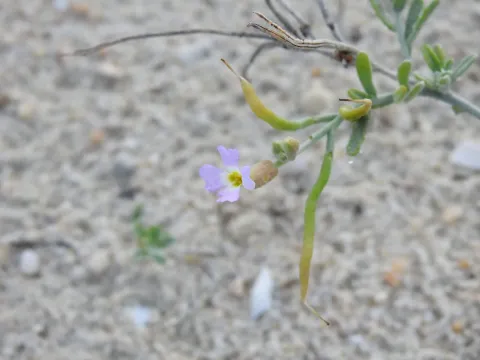
Malcolmia ramosissima
Malcolmia ramosissima
The seeding of Malcolmia ramosissima is typically carried out in spring, once the threat of late frosts has completely disappeared. This ensures stable germination and active growth during the warming season, allowing the plant to establish a robust root system.
What the section contains
Malcolmia ramosissima
For direct outdoor sowing, choose sunny locations with loose, well-draining soil. Seeds should be sown at a shallow depth of approximately 0.5 centimeters, as they require light to effectively germinate and produce strong initial seedlings.
For those aiming for early blooms, starting the seeds indoors in seedling trays during late winter is recommended. Provide adequate lighting to prevent the seedlings from stretching, ensuring they remain stocky and healthy before transplantation.
When thinning or transplanting seedlings, aim for a spacing of about 20 centimeters between plants. This distance provides sufficient space for the characteristic branching of the species, facilitating better air circulation and sunlight penetration.
Monitor soil moisture levels closely after sowing, as the seeds are quite sensitive to extreme conditions. Once established, the plants show good resilience, but consistent moisture in the early stages is crucial for optimal density.
Belonging to the Brassicaceae family, Malcolmia ramosissima thrives in light, fertile soils with a neutral pH. It is essential to avoid poorly drained areas, as the species is sensitive to waterlogging, which can easily induce root rot.
As a highly heliophilic plant, this crop requires full sun exposure to display its full potential. Growing it in shaded areas often results in weak, spindly stems and reduced flowering, compromising its overall ornamental or functional value.
While the plant is known for its tolerance to dry periods, regular irrigation during prolonged heatwaves significantly enhances the duration and quality of the blooming phase. Proper hydration ensures that the plant continues to produce vibrant foliage.
Fertilization should be balanced, focusing on promoting structural integrity rather than excessive vegetative mass. Using moderate amounts of phosphorus and potassium-rich fertilizers supports stronger stems and more resilient floral development.
Maintaining a clean field or garden bed is essential for success. Frequent weeding prevents nutrient competition and keeps the area free of potential pathogen reservoirs, allowing the crop to dedicate its energy to growth and reproduction.
Crucifer flea beetles are the most significant pests for this species, particularly during the seedling phase. These insects feed on the leaves, leaving behind small holes that can stunt the plant's growth if left unmanaged.
Fungal diseases like powdery mildew and damping-off can occur in humid environments or when plant spacing is too tight. Good air circulation is the best preventative measure against these infections in both open fields and greenhouses.
Aphids can cause damage by colonizing the tender tips of the branches and flower buds. Infestations lead to distorted growth and can spread viral diseases, necessitating immediate intervention with appropriate soaps or insecticides.
- Root clubroot, common among Brassicaceae species.
- Various caterpillars that consume leaf tissue.
- Downy mildew under cool, moist conditions.
Integrated pest management is highly encouraged. By rotating crops and using physical barriers where necessary, farmers can maintain healthy crops with minimal chemical usage, ensuring higher success rates and better plant vitality throughout the season.