
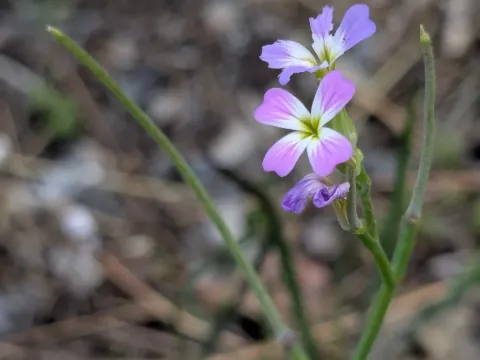
Malcolmia chia
Malcolmia chia
Malcolmia chia is propagated primarily through seeds, which are sown directly into the prepared substrate during the early spring season.
What the section contains
Malcolmia chia
To ensure successful germination, the seeds should be sown shallowly, as they require a certain level of light and warmth to break dormancy effectively.
The sowing process involves maintaining a consistent moisture level until the emergence of seedlings, which typically occurs within 7 to 14 days under favorable conditions.
For ornamental purposes, gardeners often use successional sowing every few weeks to maintain a continuous display of flowers throughout the growing season.
When starting seeds in trays, it is essential to use a well-aerated, sterile medium to prevent damping-off, a common issue in early-stage seedling development.
As a member of the Brassicaceae family, Malcolmia chia thrives best in full sun exposure, which is necessary for compact growth and prolific flowering.
The ideal soil for this crop is light, sandy, or loamy, characterized by excellent drainage properties to avoid water accumulation around the delicate roots.
The plant demonstrates a strong preference for neutral to slightly alkaline soil pH, which supports optimal nutrient uptake and general plant vigor.
Climate-wise, it prefers mild conditions and requires protection from extreme cold or heat waves, which can significantly stress the plants and shorten their lifespan.
Minimal fertilization is required, although a balanced liquid fertilizer applied during the peak flowering stage can enhance the overall health and color of the blooms.
Crucifer flea beetles represent the most significant pest threat to this crop, often causing characteristic shothole damage to the foliage.
Fungal diseases, including powdery mildew and root rot, frequently occur if the plants are grown in areas with poor airflow or high soil moisture content.
Effective pest management involves integrated strategies such as consistent weed control and the use of physical barriers like row covers during early development.
To prevent disease outbreaks, avoid overhead watering, as wet foliage provides an ideal environment for the rapid spread of fungal spores and bacteria.
Regular monitoring of the lower leaf surfaces is recommended to detect any signs of aphid infestations or other sucking insects before they reach critical levels.