
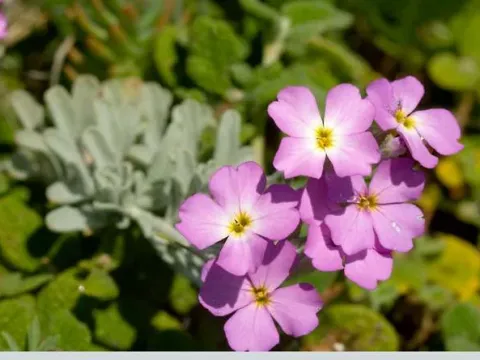
Shore stock
Malcolmia littorea
Malcolmia littorea, commonly known as shore stock, is a member of the Brassicaceae family. It is a hardy herbaceous plant often utilized in xeriscaping or coastal garden designs due to its resilient nature.
What the section contains
Shore stock
The seeds are typically sown in early spring as soon as the soil is workable. In regions with mild winters, autumn sowing is also successful, allowing the plants to establish strong root systems before the heat of summer.
Sowing should be done in shallow furrows, covering the seeds only lightly with fine soil. Because the seeds are small, they require ample light to germinate effectively, so avoid deep burial.
For container or nursery propagation, use a sterile, well-draining seed-starting mix. Maintain a temperature of approximately 16–20 degrees Celsius to ensure uniform germination across the seedbed.
Spacing is essential for this plant. Once the seedlings reach the two-leaf stage, thin them to provide at least 20 centimeters of space between individuals to encourage branching and heavy blooming.
As implied by its name, this species naturally inhabits coastal regions. It is highly adapted to sandy, nutrient-poor, and slightly saline soils, making it an excellent choice for difficult landscape sites.
Full sun is a non-negotiable requirement for Malcolmia littorea. The plant requires at least six to eight hours of direct sunlight daily to maintain its compact, sturdy growth habit and vivid floral display.
Soil drainage is the most critical factor for success. The plant will thrive in gravelly or sandy substrates, provided that excess moisture can escape freely during rainy periods.
Watering needs are minimal once the plant is established. It is drought-tolerant and prefers to dry out slightly between waterings rather than sitting in consistently damp soil.
While the plant does not require high levels of fertility, a light application of a balanced, slow-release fertilizer during the early vegetative stage can help boost flower production in very poor soils.
Crucifer flea beetles are the most frequent pests, particularly in the spring when seedlings are at their most vulnerable state. These pests can rapidly defoliate younger plants if left unchecked.
Fungal issues such as downy mildew can occur if the local environment lacks proper airflow or if humidity remains high for extended periods. Keeping the foliage dry is a primary preventative strategy.
Aphids may occasionally cluster on the flower buds. While they rarely kill the plant, they can distort growth; manual removal or neem oil treatments are effective control measures.
Root rot is almost exclusively caused by poor soil drainage. Ensure the planting site is elevated or amended with sand or grit to prevent the saturation of the root zone.
- Avoid overhead irrigation.
- Practice crop rotation to prevent soil-borne pathogens.
- Remove any withered debris at the end of the season.