
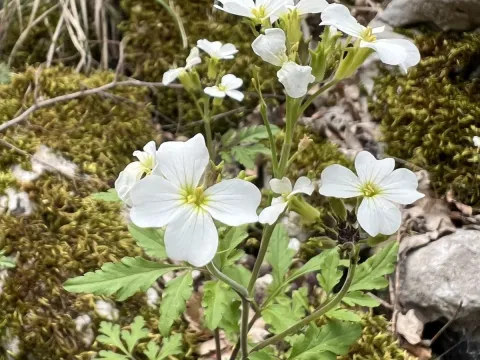
Sea bittercress
Cardamine maritima
Sea bittercress, a member of the Brassicaceae family, is a unique plant that requires specific environmental cues for successful germination and early development.
What the section contains
Sea bittercress
The optimal time for sowing is during early spring when soil temperatures stabilize, allowing for uniform germination across the cultivated area.
Seeds of Cardamine maritima exhibit deep dormancy and require a period of cold stratification to ensure a high percentage of successful emergence.
When sowing, seeds should be placed at a very shallow depth, barely covered by soil, as they are photosensitive and require light to trigger growth.
Maintaining consistent soil moisture is crucial during the germination phase to prevent the small seedlings from drying out under fluctuating conditions.
This crop thrives in cool, humid environments, reflecting its natural habitat along coastal regions and marshy soils with high mineral content.
The ideal soil profile for sea bittercress consists of loose, well-draining loamy or sandy substrates enriched with decomposed organic matter.
Climate-wise, the plant prefers temperate conditions with high humidity, as extreme heat and direct sun exposure can severely stress the vegetation.
Partial shade is recommended for commercial cultivation to preserve the quality of the leaves and prolong the vegetative growth period.
Proper ventilation is an essential requirement, as stagnant air combined with high humidity increases the risk of foliar fungal diseases significantly.
Flea beetles are the most common pests affecting sea bittercress, often causing significant damage to the leaf tissue during the early growth stages.
Powdery mildew represents a persistent threat in environments where humidity levels are high but air circulation remains poor or insufficient.
Clubroot disease can jeopardize the plant's root system, making it essential to implement crop rotation cycles away from other Brassicaceae species.
Effective management strategies include regular scouting for early signs of damage and applying integrated pest management practices whenever possible.
Maintaining soil hygiene by removing plant debris and ensuring proper spacing between individual plants helps mitigate the spread of potential pathogens.