
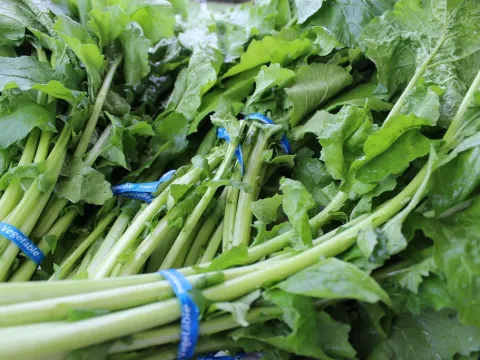
Seven-headed cabbage
Brassica septiceps
Seven-headed cabbage (Brassica septiceps) is a unique type of leafy cabbage prized for its ability to produce multiple lateral shoots. Seeds are typically sown directly into the soil in early spring once the ground temperature reaches 8–10 degrees Celsius.
What the section contains
Seven-headed cabbage
For an earlier harvest, seedlings can be started indoors in trays 30–40 days before the intended planting date. This method helps establish strong plants that are more resilient to early spring conditions.
This crop is characterized by a rapid growth cycle, making it possible to conduct a second sowing in mid-summer to enjoy fresh greens throughout the autumn months.
Proper spacing is crucial given the plant's spreading habit. Plan for about 40–50 cm between plants and 60 cm between rows to ensure good airflow and easy harvesting access.
Seeds should be sown at a depth of 1–1.5 cm in light, well-draining soil. With adequate moisture, germination typically occurs within 5 to 7 days, leading to rapid initial growth.
As a member of the Brassicaceae family, seven-headed cabbage prefers fertile, loamy soil with a neutral to slightly acidic pH. Incorporating organic matter during soil preparation is highly recommended.
This plant is a sun-lover and requires a location with full exposure to sunlight. Proper lighting is essential to prevent the plants from becoming leggy and to ensure vigorous shoot production.
Consistent moisture is key to the plant's success. While it is hardy, drought conditions can cause the leaves to become tough and bitter, so regular irrigation is necessary during dry spells.
The crop responds well to nitrogen-rich fertilizers, which support the development of lush foliage. A balanced application of compost or organic fertilizer early in the season will significantly boost yields.
The ideal temperature for growth is between 15 and 20 degrees Celsius. While it can handle light frost, extreme heat should be mitigated by providing light shade or extra mulch to protect the roots.
The yield of seven-headed cabbage is defined by the constant renewal of lateral shoots from the leaf axils. This unique feature allows for multiple harvests throughout the growing season.
With careful management, a single plant can produce several kilograms of edible greens. By picking leaves regularly, you stimulate the plant to continue pushing out new, tender growth.
The crop is highly versatile in the kitchen, offering a mild, cabbage-like flavor that works well in stir-fries, soups, and salads. Its tender leaves are rich in vitamins and minerals.
Because the plant continues to grow as you harvest, it provides a consistent source of fresh vegetables for the home garden, outlasting many traditional, single-harvest cabbage varieties.
Maximized production is achieved by maintaining soil fertility and removing older, damaged leaves, which directs the plant's energy toward creating new, edible shoots.
Common pests include flea beetles, which can cause significant damage to young seedlings, as well as aphids and cabbage white caterpillars that feed on the foliage.
Diseases such as clubroot, downy mildew, and various fungal leaf spots can be problematic, especially in damp, poorly ventilated areas where moisture accumulates on the leaves.
Practicing crop rotation is the best preventive measure. Avoid planting seven-headed cabbage in beds that previously hosted other Brassica species to reduce the risk of soil-borne pathogens.
Organic pest control methods, such as using row covers or neem oil sprays, are effective ways to protect the plants without resorting to harsh synthetic chemicals.
Routine weeding and soil cultivation help promote airflow and reduce pest habitats, ensuring a healthy environment for the plants to thrive until the final harvest.
Harvesting seven-headed cabbage is a continuous process. You can begin picking individual outer leaves or lateral shoots as soon as the plant has established a healthy rosette of leaves.
Use a sharp, clean knife to cut the stems, ensuring you do not damage the main stalk or the center of the plant, which allows for sustained production throughout the season.
Harvesting in the early morning is recommended, as the leaves are at their most crisp and turgid, allowing them to stay fresh longer after being picked.
Regular harvesting is essential; if leaves are left on the plant for too long, they will toughen and become less palatable, while also potentially slowing the growth of new shoots.
Once harvested, store the greens in a cool, humid environment to maintain their texture. Because the plant is designed for frequent harvest, enjoy it fresh to get the best nutritional benefits.