
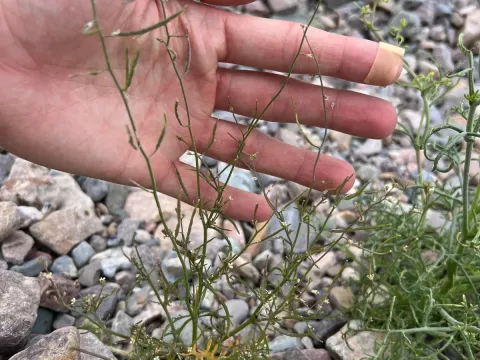
Sibara
Sibara
Sibara is a genus of herbaceous plants belonging to the Brassicaceae family. In an agronomic context, these plants are often studied for their ecological plasticity and potential utility in developing climate-resilient cultivars.
What the section contains

Sibara
Seeds of most species typically require a period of cold stratification to ensure uniform germination. In agricultural settings, sowing is recommended in late autumn or early spring, as soon as soil temperatures reach 5–8 degrees Celsius.
Seeds should be planted at a shallow depth of 0.5–1 cm to allow for sufficient light access and proper root development. Row seeding with a spacing of 20 cm is ideal to ensure proper air circulation among plants.
Seedlings usually emerge within 10–14 days under optimal temperature conditions. Consistent moisture must be maintained in the topsoil during the first few weeks to support the establishment of a robust root system.
Growth intensity is highly dependent on light exposure; therefore, sites should be selected that are free from shading by taller vegetation throughout the growing season.
Sibara thrives in light, well-drained sandy or loamy soils with a neutral to slightly acidic pH. Waterlogging is detrimental to the plant, often leading to rapid root decay and stunted development.
The culture exhibits significant drought resistance, a trait inherited from its native arid environments in North America. Supplemental irrigation is only necessary during extended dry spells during active vegetative growth.
The optimal temperature range for Sibara development is between 18–25 degrees Celsius. The plants are hardy enough to withstand light spring frosts without suffering significant damage to vegetative tissues.
Cultivation should avoid heavy clay soils prone to crusting, as these inhibit sprout emergence. Adding moderate amounts of organic matter improves soil structure and nutrient availability for the plant.
As a light-loving genus, Sibara requires full exposure to sunlight; deficiency in light leads to elongated, weak stems and a substantial reduction in seed production.
The main pests affecting the genus Sibara include common Brassicaceae pests, such as flea beetles, which can cause severe damage to young foliage and tender stems during the seedling stage.
High humidity or poor ventilation can trigger fungal infections like powdery mildew, identified by a characteristic white coating on the leaves and a reduction in photosynthetic capacity.
Soil-borne diseases like clubroot can emerge if the soil pH is too low or if crop rotation is not strictly followed, emphasizing the need for regular soil testing.
Aphid infestations can occur during the flowering stage, causing damage to reproductive structures and facilitating the transmission of viral diseases between individual plants.
Effective pest management involves strict crop rotation, keeping the area free of other Brassicaceae hosts for at least 3–4 years, and maintaining clean field borders to reduce pest pressure.