
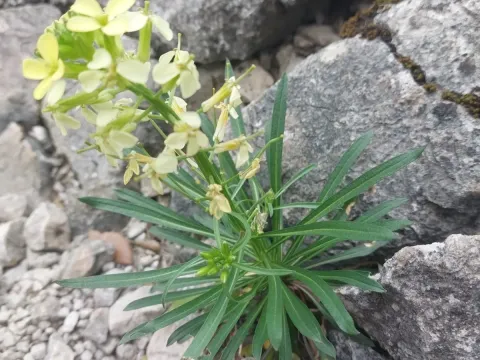
Sierra Nevada wallflower
Erysimum nevadense
The Sierra Nevada wallflower (Erysimum nevadense) is a perennial herbaceous plant belonging to the Brassicaceae family. This species is native to the high-altitude regions of the Sierra Nevada mountain range, where it thrives in rugged and rocky environments.
What the section contains
Sierra Nevada wallflower
The plant is highly adapted to nutrient-poor soils that offer excellent drainage. For cultivation, it is essential to replicate these conditions by using sandy or stony soil mixes, ensuring that water does not accumulate around the roots.
Climatic requirements for Erysimum nevadense are stringent; the plant requires a period of cold dormancy to initiate successful flowering. High humidity is generally detrimental, so locations with good airflow are necessary to maintain plant health.
As a mountain specialist, the species prefers full sun exposure. The intensity of sunlight in high altitudes helps the plant develop its characteristic compact structure and strong root system, which are vital for its survival.
When cultivating this crop, minimal irrigation is required once the plant is established. Excessive fertilization, particularly with nitrogen-heavy products, should be avoided as it encourages weak growth and susceptibility to environmental stressors.
Common pests affecting Erysimum nevadense include flea beetles and various species of caterpillars that feed on the cruciferous foliage. These insects can quickly defoliate the plant if not monitored regularly.
Fungal diseases represent a significant threat to the crop, particularly when it is grown in lower altitudes or environments with poor air circulation. Root rot is a primary cause of mortality in cultivated specimens.
Preventative measures should focus on maintaining a dry soil surface and avoiding overhead watering, which creates the moist conditions favored by fungal pathogens. Proper spacing is essential to ensure adequate airflow.
In cases of heavy pest infestation, targeted organic insecticides are preferred to maintain the health of the plant without damaging the delicate balance of the root system or the soil microbiome.
Regular inspection of the basal leaves and the root crown is crucial, as early detection of fungal pathogens allows for intervention before the disease systemic affects the entire plant structure.