
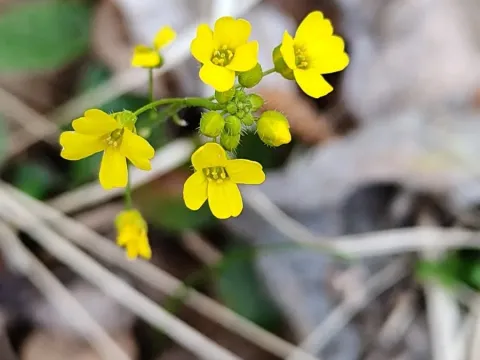
Siberian draba
Draba sibirica
Sowing seeds of Draba sibirica is best performed in late autumn, allowing for a natural cold stratification process that increases germination rates in spring.
What the section contains
Siberian draba
For container propagation, sow the seeds in early spring, pressing them lightly into a sterile, well-draining seed-starting mix without covering them too deeply.
Keep the sowing medium consistently moist but not waterlogged to ensure successful development of the seedlings during the first few weeks.
Once seedlings have developed their first true leaves, they can be transplanted into individual pots or directly into the garden in a sunny spot.
Space the plants approximately 25 centimeters apart to allow for proper air circulation, which helps prevent various fungal diseases in the foliage.
Siberian draba is a member of the Brassicaceae family, well-known for its resilience and ability to thrive in harsh, rocky mountain environments.
The plant demands full sun exposure to maintain its compact, cushion-like growth habit; shade will cause it to become leggy and less productive.
Soil must be exceptionally well-draining; gritty, sandy, or stony substrates are preferred to prevent the crown from rotting during the winter months.
The plant is highly drought-tolerant once established, requiring only minimal watering during extended dry periods in the summer season.
Fertilizer application should be minimal, as high nutrient levels in the soil can reduce the plant's natural cold hardiness and compact structure.
Root rot is the primary threat to this species, usually caused by poor drainage or excessive humidity around the base of the plant during the dormant season.
Powdery mildew may appear on the foliage if the plants are placed too closely together, preventing proper air movement in hot and humid conditions.
Flea beetles are common pests that feed on the leaves of Draba species, often causing small pits or holes in the plant foliage during early growth stages.
Integrated pest management, including regular inspection and the use of insecticidal soap, is effective for controlling minor infestations of common pests.
Good garden hygiene, such as removing debris and dead foliage around the plant, significantly reduces the likelihood of fungal and bacterial infections.
Harvesting for seed production should occur when the siliques (seed pods) turn from green to a tan or brownish color, signaling maturity.
Collect the pods just before they are fully dry and ready to shatter, as the tiny seeds are easily lost to wind or gravity once the pods open.
Place harvested pods on a clean, dry surface in a well-ventilated area until the plant material becomes brittle enough to release the seeds easily.
Separate the seeds from the chaff using a fine mesh screen or by gently blowing away the lightweight plant debris in a controlled environment.
Store cleaned seeds in sealed containers in a cool, dark location to ensure they remain viable for the next planting season.