
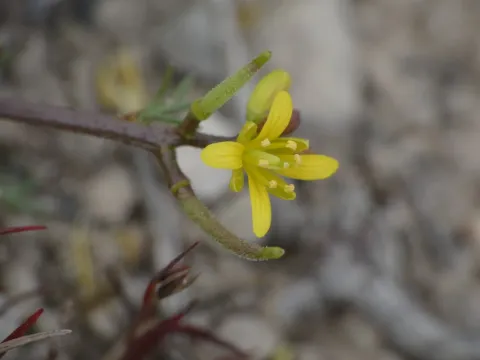
Sisymbrella aspera
Sisymbrella aspera
Sisymbrella aspera is a perennial herbaceous plant belonging to the Brassicaceae family. It is known for its ability to thrive in diverse environments, displaying specific botanical adaptations that allow it to persist in various soil types and climatic conditions.
What the section contains
Sisymbrella aspera
The plant prefers well-drained soils and requires significant sunlight to maximize its physiological processes. It is often found in disturbed habitats, which suggests a high degree of ecological plasticity and resourcefulness in colonizing new areas.
Climate requirements include moderate moisture levels during the growing season. While the species is somewhat drought-tolerant, its yield and biomass production significantly increase when water availability is synchronized with its developmental stages.
Agricultural management of this crop involves proper spacing to prevent competition for nutrients. Soil aeration is critical, and mechanical weeding is often required to ensure that the plant maintains a competitive edge over surrounding flora.
Nutrient management should focus on a balanced application of macronutrients. Providing sufficient phosphorus and potassium is essential for strengthening the plant's structural integrity and improving its overall development throughout the life cycle.
Sisymbrella aspera faces typical threats associated with cruciferous crops. Crucifer flea beetles are among the primary pests, causing extensive defoliation in young seedlings and significantly hindering early-stage growth and development.
Aphid infestations are also common, particularly during dry spells. These pests cluster on the undersides of leaves and flower buds, sucking sap and transmitting viral diseases that can severely degrade the quality of the crop.
Fungal pathogens such as white rust and clubroot present major challenges to growers. These diseases affect the root and leaf systems, causing systemic damage that requires immediate intervention with appropriate fungicides.
Management strategies involve crop rotation cycles that minimize the buildup of soil-borne pathogens. Integrating resistant varieties or genotypes can also mitigate the impact of disease outbreaks and reduce reliance on chemical inputs.
Integrated pest management (IPM) practices, including monitoring and timely application of targeted treatments, are essential for maintaining crop health. Maintaining field sanitation is a primary defensive measure against the spread of pests and diseases.