
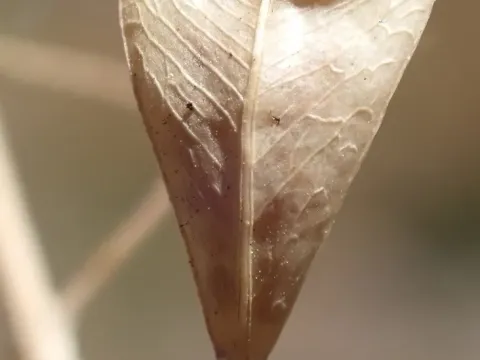
Shepherd's purse
Capsella
Shepherd's purse is a resilient annual herb known for its ability to germinate throughout most of the growing season. Depending on regional climate, seeds can sprout as early as late winter or as late as autumn, showing remarkable adaptability.
What the section contains

Shepherd's purse
The seeds are light-sensitive and very small, requiring shallow sowing at depths of no more than one centimeter to ensure optimal germination. Once established, the seedlings exhibit rapid early growth, outcompeting many other species in the field.
Under favorable moisture conditions, the plant can complete its full life cycle in just a few weeks. This biological pace allows multiple generations to emerge within a single year, making it a persistent presence in agricultural landscapes.
When cultivating for herbal production, spacing must be carefully managed to prevent overcrowding. Proper seedbed preparation ensures uniform emergence, which is essential for consistent harvesting schedules and biomass quality.
The plant possesses a deep taproot that helps it establish quickly in various soil textures. In a farming context, this means that even under slightly compacted soil conditions, shepherd's purse remains a highly successful and robust grower.
As a member of the Brassicaceae family, Shepherd's purse is exceptionally hardy and adaptable. It thrives in a wide range of soil conditions, including fertile loams, sandy soils, and disturbed areas where other crops might struggle.
The plant performs best in full sunlight but demonstrates notable tolerance to partial shade. This versatility allows it to colonize diverse environments, from open fields to edge habitats along forest tracks.
Although highly drought-tolerant due to its strong root system, shepherd's purse responds positively to consistent moisture. Maintaining a balanced soil pH, generally between neutral and slightly alkaline, supports optimal growth and secondary metabolite production.
Field management requires careful weeding to reduce competition for nutrients if the plant is being managed alongside other crops. If grown as a primary medicinal crop, regular cultivation between rows helps improve soil aeration and prevents crusting.
Cold hardiness is another defining feature of this species. It can withstand significant frost, which facilitates its growth in temperate regions and allows it to persist in the field long after most other annuals have died back.
The yield of shepherd's purse is primarily measured by the total dry biomass harvested per hectare. With proper management and adequate nitrogen levels in the soil, cultivators can expect multiple harvests during a single growing season.
Since a single healthy plant can produce tens of thousands of seeds, the reproductive potential is immense. This makes the plant an extremely prolific producer, though it requires precise timing for harvest to avoid the seed dispersal phase.
Productivity is highest when plants are harvested at the peak of their flowering phase, just as the triangular seed pods begin to form. This stage offers the best concentration of phytochemicals, including flavonoids and essential acids.
Fertilization with nitrogen-based amendments significantly boosts leaf and stem production. However, over-fertilization should be avoided to maintain the plant's medicinal profile and prevent the development of overly fleshy, watery stems.
To maximize annual yields, producers often utilize rotational planting schemes. By timing the harvest correctly before the plants go to seed, farmers can ensure both high biomass output and a reduction in the weed seed bank for the following year.
Like many crops in the cabbage family, shepherd's purse is susceptible to several pathogens, with powdery mildew being a primary concern. The fungus appears as a white, dusty layer on leaves, hindering photosynthesis and reducing product quality.
Clubroot is another potential threat, causing root galls that stunt plant development. Avoiding the rotation of shepherd's purse with other cruciferous crops is a key preventive measure to manage soil-borne inoculum levels.
Cruciferous flea beetles are the most damaging pests, particularly during the seedling stage. These insects create small holes in the leaves, which can severely weaken young plants and lead to significant stand reduction if not controlled.
Aphids often target the flower stalks, causing deformation of the pods and stunted growth. Monitoring populations of these insects is crucial for maintaining high-quality harvests, especially for medicinal markets where pesticide use is restricted.
Integrated pest management strategies are recommended to keep damage below economic thresholds. Biological control agents, such as beneficial parasitic wasps, can be encouraged in the field to naturally regulate pest populations.
Harvesting should be timed to coincide with the plant's full bloom stage. Using mechanical scythes or specialized harvesting equipment, the aerial parts of the plant are cut cleanly near the base to preserve the structural integrity of the crop.
Post-harvest processing involves rapid drying in shaded, well-ventilated structures to prevent mold and the degradation of delicate compounds. High temperatures must be avoided, as they can cause the loss of vital volatile components.
Once dried, the plant material undergoes a cleaning process to remove soil particles, dead leaves, and debris. Maintaining the natural green color of the stems and leaves is a key indicator of high-quality medicinal produce.
Packaging must protect the dried herbs from humidity and direct light. Airtight, moisture-wicking containers help preserve the plant's efficacy, allowing it to be stored safely for export or sale in the pharmaceutical industry.
Quality control standards require testing for microbial contamination and heavy metal levels. Consistent drying protocols and clean storage environments are essential for meeting the rigorous requirements of the herbal supplement market.