
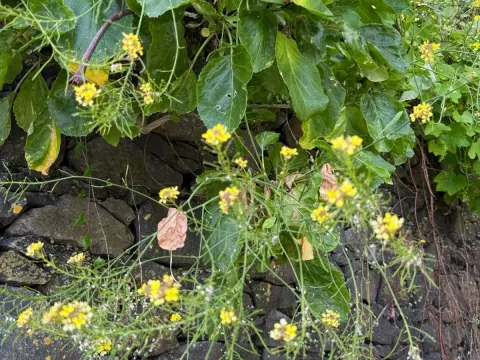
Sinapidendron
Sinapidendron
Sinapidendron is a genus of perennial shrub-like plants, which requires a specific approach to propagation compared to annual crops. Seeds should be sown in a controlled environment during early spring when temperatures stabilize around 15-18 degrees Celsius, ensuring a steady growth cycle.
What the section contains


Sinapidendron
The growing medium must be light, porous, and well-draining to prevent seed rot during the germination phase. Sowing should be shallow, as the seeds require sufficient light exposure to successfully break dormancy and develop strong primary roots.
Maintaining a consistent moisture level is crucial, but one must avoid waterlogging at all costs. Using a misting system or a fine watering can ensures the substrate remains damp without washing away the seeds or causing damage to the delicate emerging sprouts.
Once the seedlings reach the stage of two true leaves, they can be carefully transplanted into larger containers. Proper spacing is essential to ensure that each plant receives adequate airflow, which is critical for preventing the development of fungal diseases in the juvenile stage.
Hardening off the seedlings before moving them to a permanent location is a vital step in the agro-technical process, gradually introducing them to outside environmental conditions over a period of two weeks.
As a member of the Brassicaceae family, Sinapidendron is endemic to the Madeira archipelago, having evolved to thrive in a specific maritime subtropical climate. It demands stable conditions with moderate humidity levels and protection from extreme temperature fluctuations.
The soil requirements focus on excellent drainage and a neutral to slightly alkaline pH. The plant performs best in soils that are rich in organic matter but have enough rocky mineral content to ensure that water does not pool around the root zone for extended periods.
Sunlight exposure is essential for the healthy development of this species. While it can withstand partial shade, full sun exposure for most of the day is preferred to maintain the plant's robust structure and vigor throughout the growing season.
Temperature management is key; the plant prefers a range between 18 and 24 degrees Celsius. Extreme heat can lead to rapid wilting, whereas prolonged cold spells may cause structural damage, necessitating protection if temperatures drop below freezing.
Regular maintenance includes balanced fertilization with essential micronutrients, especially during the active growth phase, to ensure the plant maintains its structural integrity and vitality.
Fungal pathogens represent the most significant threat to Sinapidendron, particularly in environments with poor air circulation or excessive humidity. Downy mildew and root rot are common issues that require prompt intervention and strict moisture control.
Pest pressure often comes from common Brassicaceae insects, such as flea beetles and various caterpillar species. These pests can cause significant defoliation if left unchecked, quickly weakening the plant and reducing its overall resilience.
Aphid infestations are also frequent, typically targeting the tender new growth and floral buds. These insects not only extract sap but also act as vectors for viral pathogens, making regular scouting and early treatment essential for successful plant health management.
Preventative measures include maintaining clear space between individual plants and ensuring the substrate surface remains dry to inhibit fungal sporulation. Removing fallen leaves and debris around the base of the plant further minimizes the risk of infection.
If chemical interventions are necessary, choosing systemic treatments that are safe for the surrounding environment is recommended, following strictly labeled dosages to avoid phytotoxicity.