
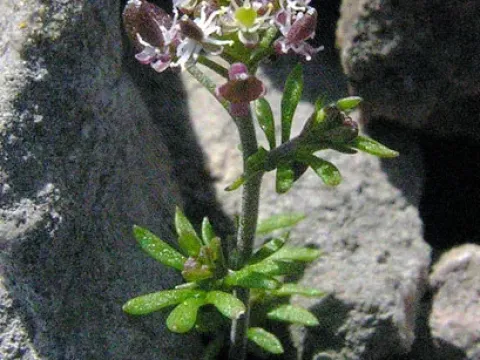
Hornungia
Hornungia
Hornungia, a member of the Brassicaceae family, is typically propagated via seeds sown directly into the soil. Optimal sowing time occurs in early spring, once the ground is workable, or alternatively, in late autumn for a head start in the following season.
What the section contains


Hornungia
The seeds are relatively small and require shallow burial, usually no deeper than 0.5 to 1 centimeter. Good soil-to-seed contact is essential for uniform germination, which generally occurs within two weeks under favorable temperatures.
Row spacing is recommended at approximately 20–25 centimeters to facilitate ease of management and ensure adequate airflow. Proper spacing prevents overcrowding, which is vital for the health of the leaf rosettes.
Seedbed preparation should involve fine soil tilling to provide a smooth surface for sowing. Incorporating compost or well-rotted organic matter prior to sowing significantly improves the structure and nutrient profile of the soil.
Thinning the seedlings is a crucial agronomic step. Once the plants reach a stage of 3–4 true leaves, they should be thinned to a distance of 10–15 centimeters between individual plants to promote vigorous growth.
This crop thrives in well-drained, fertile, and light-textured soils. It performs best in soils with a neutral pH, as extreme acidity or alkalinity can inhibit the uptake of essential nutrients.
Hornungia prefers full sun exposure but can tolerate partial shade in hotter climates. It is highly valued for its cold hardiness, making it suitable for temperate regions where other crops might struggle with frost.
Water requirements are moderate, but consistent moisture levels are important during the germination phase and periods of rapid vegetative development. Drought stress can lead to premature bolting of the plants.
The crop does not tolerate waterlogging, which often leads to root diseases. Therefore, choosing a site with good natural drainage or raised beds is a highly recommended practice for successful production.
Regular maintenance includes shallow weeding between rows, as the crop is relatively sensitive to competition from aggressive weeds in the early stages of establishment.
Crucifer flea beetles represent the most significant pest risk for Hornungia, often attacking the cotyledons and young leaves immediately after germination. Early monitoring and protective netting are often employed.
Aphids can also colonize the plants, leading to leaf curling and stunted growth. Integrated pest management strategies, including the use of beneficial insects, are encouraged to keep aphid populations below economic injury levels.
Downy mildew and other fungal pathogens may appear under conditions of high humidity and poor ventilation. Proper crop rotation and avoiding overhead irrigation during damp periods help manage these threats.
Slugs and snails can cause substantial mechanical damage to the foliage, especially in damp conditions or low-lying areas. Physical barriers or organic molluscicides are effective control measures.
Effective management requires a comprehensive approach, prioritizing preventative measures such as strict sanitation, crop rotation, and the selection of healthy, disease-free seed stock to ensure high-quality yields.