
Hormatophylla reverchonii
Hormatophylla reverchonii
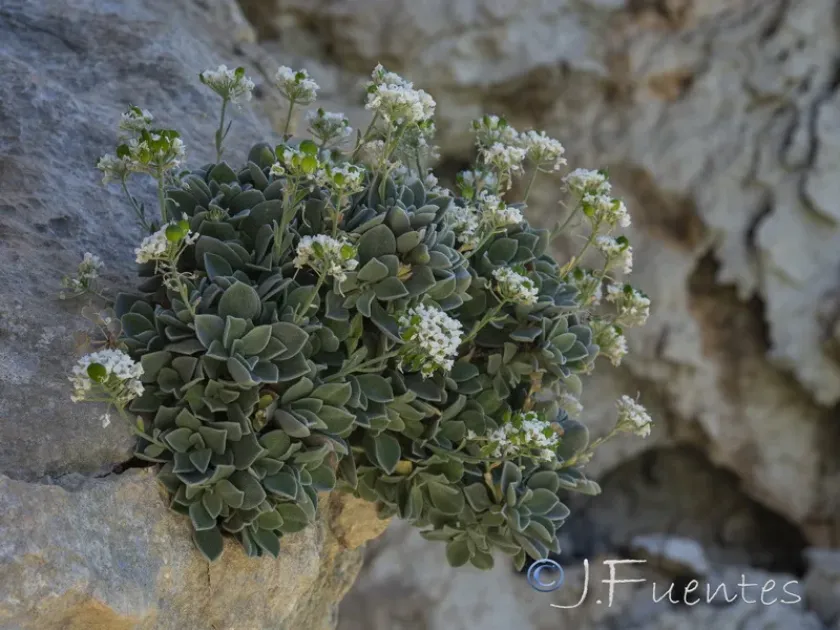
Description
Sowing dates
The sowing process for Hormatophylla reverchonii begins in late winter or early spring in a controlled environment. The seeds benefit significantly from a period of cold stratification to break dormancy and ensure uniform germination.
Sow seeds on the surface of a light, well-draining seed-starting mix. Lightly press them into the surface but do not bury them deeply, as they may require light to germinate efficiently.
Maintain consistent moisture levels during the germination phase, ensuring the surface does not dry out. A fine mist spray is recommended to prevent displacing the small seeds during watering.
Once the seedlings have reached a size that is easy to handle, transplant them into individual containers. This allows for better root development before they are moved to their permanent location in the garden.
Acclimatization to the outdoors should be gradual. Slowly introduce the young plants to full sun and cooler air over the course of a week to prevent transplant shock.
Growing requirements
Hormatophylla reverchonii belongs to the Brassicaceae family and is recognized for its ability to thrive in harsh, nutrient-poor conditions typical of rocky habitats. It is a slow-growing perennial that requires patience to cultivate.
Full sun exposure is a non-negotiable requirement for this species. Without adequate sunlight, the plant will fail to produce its characteristic compact growth and may not flower properly.
Soil requirements focus on drainage. The substrate should be lean, alkaline or neutral, and composed of a significant amount of grit or sand to prevent any possibility of water accumulation near the crown.
In terms of climate, the plant prefers temperate conditions with dry, well-ventilated summers. It is exceptionally drought-tolerant once established, thanks to its specialized root system designed for low-moisture environments.
Regular maintenance involves keeping the area clear of debris that could trap moisture against the foliage. In regions with very wet winters, protective covers or sloped planting are advised to keep the crown dry.
Main diseases and pests
Root rot is the most serious threat to Hormatophylla reverchonii and is almost exclusively caused by excessive moisture. Ensuring a perfectly porous soil structure is the best defensive measure against this pathogen.
Crucifer flea beetles are the most common insect pests that target this plant. These beetles can cause significant foliage damage if left unchecked, so regular visual inspections of the leaves are essential.
Powdery mildew can become an issue during periods of high humidity combined with stagnant air. Providing adequate space between plants will facilitate air circulation and minimize the risk of fungal outbreaks.
Soil-dwelling larvae can sometimes attack the root neck, leading to sudden wilting. Incorporating a top dressing of fine gravel around the base of the plant can serve as a physical barrier to many pests.
Maintaining optimal plant vigor through consistent monitoring of soil mineral balance helps the plant resist natural pests and environmental stresses more effectively.