
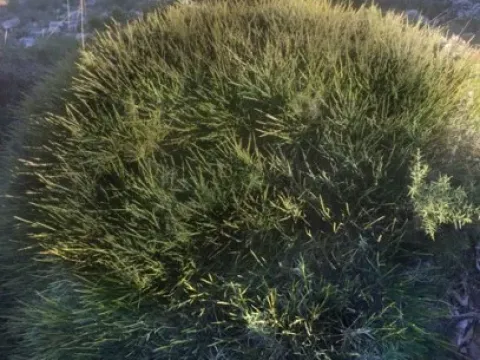
Hormatophylla spinosa
Hormatophylla spinosa
Hormatophylla spinosa is a perennial subshrub belonging to the Brassicaceae family. It is typically propagated through seeds, which should be collected from healthy, mature mother plants.
What the section contains
Hormatophylla spinosa
Sowing should take place in early spring after the risk of hard frost has passed. Seeds are best sown in trays using a well-draining, sandy-based compost mix to mirror their natural habitat.
Because the seeds require light to germinate, they should only be lightly pressed into the surface of the soil. Covering them with a thin layer of fine grit is beneficial for moisture regulation.
Maintaining a constant temperature of around 20 degrees Celsius is optimal for success. Germination usually occurs within 14 to 21 days, provided the substrate remains moist but not saturated.
Once seedlings are robust enough, they should be hardened off before being transplanted into their final location. Careful handling of the root ball is recommended to prevent transplant shock.
This species thrives in full sun exposure. It is a classic plant for rock gardens and dry, stony areas, where its ability to withstand harsh environmental conditions is a distinct advantage.
The soil must have exceptional drainage. Hormatophylla spinosa is sensitive to standing water, which can quickly lead to rot; therefore, gritty or rocky soils are ideal for its long-term survival.
Climate-wise, it is highly drought-tolerant. Once established, the plant requires almost no supplemental watering, even during prolonged summer heatwaves, making it an excellent choice for xeriscaping.
The plant performs best in neutral to slightly alkaline pH levels. It does not demand high soil fertility and actually prefers poorer soils to maintain its dense, compact, and spiny growth habit.
Minimal maintenance is required. Annual light trimming after the flowering season helps maintain the plant's shape and prevents it from becoming overly woody or leggy over time.
Root rot is the most common threat to Hormatophylla spinosa, usually caused by overwatering or soil that retains too much moisture. Proper drainage is the primary defense against this condition.
Like many members of the Brassicaceae family, the plant can be susceptible to flea beetles. These insects leave small holes in the leaves and should be managed if an infestation is observed.
Powdery mildew may occur if the plant is grown in areas with poor air circulation. Thinning out neighboring vegetation can improve airflow and significantly reduce the likelihood of fungal issues.
Aphids might occasionally feed on tender new shoots. While they rarely kill the plant, controlling them with insecticidal soaps or neem oil is advisable to maintain optimal plant vigor.
Regular sanitation, including the removal of dead or decaying foliage, is essential. Keeping the base of the plant clean and dry prevents the buildup of pathogens and provides better protection.