
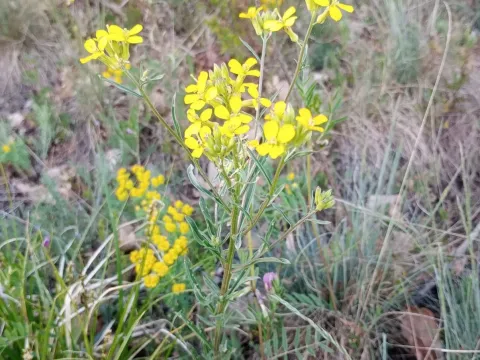
Erysimum crepidifolium
Erysimum crepidifolium
Erysimum crepidifolium is a perennial herbaceous plant belonging to the Brassicaceae family. It is primarily recognized for its potential applications in pharmacology due to its secondary metabolites.
What the section contains
Erysimum crepidifolium
The plant thrives in well-drained, sunny locations. It is highly resilient, capable of growing in soils with varying textures, though it performs best in soils that are neutral or slightly alkaline, avoiding high acidity.
Regarding climate, this species is well-adapted to temperate conditions. It requires a significant amount of solar radiation to maximize the synthesis of active compounds, which defines its geographic suitability.
Botanically, it forms a basal rosette of leaves during its early stages before developing flowering stems. The plant is drought-tolerant, utilizing its deep root system to access water during dry seasonal spells.
Agronomic success depends on proper site selection. Avoiding waterlogged areas is essential, as the plant's roots are prone to suffocation and rot if exposed to standing water for extended durations.
The primary pests affecting Erysimum crepidifolium are cruciferous flea beetles, which can cause severe damage to the foliage during the early seedling stage if left untreated.
Fungal pathogens such as mildew and leaf spot diseases pose significant risks under conditions of high relative humidity. Proper spacing is necessary to allow for adequate airflow between plants.
Integrated pest management (IPM) is strongly recommended for this crop. Regular scouting for aphids and other sap-sucking insects is vital to prevent economic losses in raw material quality.
Soil-borne diseases, particularly root rots, can be mitigated by strict adherence to crop rotation cycles. Avoiding proximity to other Brassicaceae crops helps prevent the spread of specialized pests.
Maintaining plant vigor through balanced fertilization and proper moisture management significantly increases the plant's natural resistance to both biotic and abiotic stresses.