
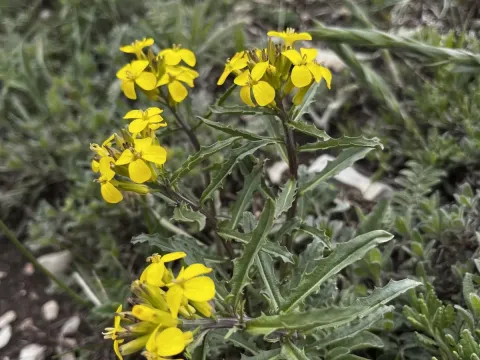
Erysimum cuspidatum
Erysimum cuspidatum
Erysimum cuspidatum is a herbaceous plant belonging to the Brassicaceae family. It typically grows as a biennial or perennial herb, featuring erect stems, lanceolate leaves, and terminal racemes of bright yellow flowers.
What the section contains
Erysimum cuspidatum
This species naturally occurs in temperate climatic zones and is highly adapted to open, sunny environments. It thrives in well-drained soils, showing a particular preference for calcareous and loamy substrates that do not retain excess water.
In agricultural practice, Erysimum cuspidatum is valued for its hardiness. It is capable of enduring cold winters and dry summer spells, which makes it a resilient crop for specialized pharmaceutical cultivation.
Soil preparation should focus on removing perennial weeds and ensuring a fine seedbed. Due to the small size of the seeds, surface sowing or shallow planting is essential for successful germination and early development.
The primary economic use of the crop is the production of herbal raw materials. The plant accumulates cardiac glycosides, which are compounds of significant interest for the pharmaceutical industry in creating cardiovascular treatments.
The crop is vulnerable to various pests common to the Brassicaceae family, with flea beetles representing the most significant threat to young seedlings and vegetative growth.
Larvae of cabbage moths and sawflies can cause extensive leaf damage. Regular field scouting is necessary during the early stages of growth to prevent significant economic losses.
Fungal diseases such as clubroot represent a major challenge if crop rotation is not strictly followed, as the pathogen can persist in the soil for several years.
Powdery mildew is another common issue during seasons with fluctuating humidity, often leading to a reduction in the quality and concentration of active pharmaceutical compounds.
To mitigate these threats, integrated pest management practices, including proper field hygiene and the use of resistant varieties, are highly recommended for stable crop yield.