
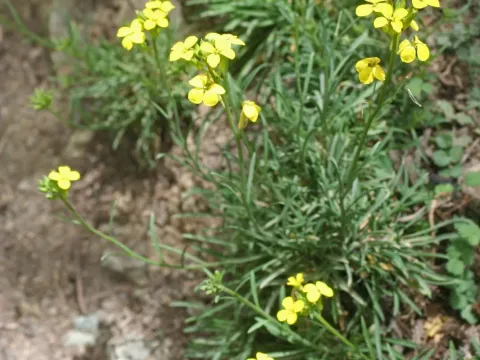
Erysimum grandiflorum
Erysimum grandiflorum
Erysimum grandiflorum, commonly known as a type of wallflower, is a perennial or biennial plant belonging to the Brassicaceae family. It is typically propagated by seeds sown directly into the soil during early spring or late autumn.
What the section contains
Erysimum grandiflorum
Because the seeds are small, they should be sown at a shallow depth of about 1 to 2 centimeters. Proper seed-to-soil contact is essential for uniform germination, and slightly pressing the soil after sowing helps ensure success.
The recommended row spacing is 30 to 45 centimeters. This distance is optimal for mechanical weeding and ensures that each plant receives sufficient light and nutrients for healthy development throughout the growing season.
For spring planting, the soil temperature should be at least 5 to 8 degrees Celsius. If sown in autumn, the seeds will undergo natural stratification over the winter, often leading to more vigorous growth in the spring.
The seed rate should be adjusted based on seed purity and germination percentage, usually ranging from 2 to 3 kilograms per hectare. Proper calibration of seeding equipment is vital for achieving the desired plant density.
This crop thrives in sunny, open locations with direct light exposure. While it can tolerate some light shade, full sun is necessary to prevent etiolation and to maximize the accumulation of chemical constituents in the plant tissue.
Well-drained, sandy loam or loamy soils are ideal for Erysimum grandiflorum. The plant is sensitive to waterlogged conditions, which can quickly lead to root rot and other physiological stressors.
A neutral to slightly alkaline pH is preferred for this species. If the soil is excessively acidic, liming should be performed well in advance of planting to create a more favorable environment for root nutrient uptake.
Although the plant shows good drought resistance once established, consistent moisture is required during the initial growth phases. Avoid extremes in irrigation, as fluctuations can affect plant development and biomass quality.
The plant performs best in moderate climates. It is relatively hardy but does not respond well to extreme, prolonged heat waves, which can hasten maturity and decrease the overall quality of the harvested medicinal raw material.
Flea beetles are the primary threat during the seedling stage. These small insects can rapidly defoliate young plants, necessitating careful monitoring and timely intervention if infestation levels are high.
Powdery mildew and various leaf spot diseases can become problematic in humid or poorly ventilated conditions. Keeping planting densities appropriate and removing weeds from the vicinity helps improve air circulation.
Integrated Pest Management (IPM) is recommended for this crop. This includes crop rotation, as planting Erysimum after other Brassicaceae crops can increase the risk of soil-borne pathogens and specific insect buildup.
Aphids may colonize the plants during the flowering season. While generally less destructive than flea beetles, large colonies can sap the plant's vitality and potentially spread viral diseases, which may impact seed yield.
- Flea beetles
- Powdery mildew
- Leaf spot diseases
- Aphids
Harvesting for medicinal purposes is best conducted at the peak of the flowering stage. This is when the concentration of cardiac glycosides and other active components is at its highest level within the plant's aerial parts.
The plants are mown or cut at a height of approximately 10 to 15 centimeters from the ground. It is critical to leave enough of the basal growth to prevent damaging the root system and to allow for potential regrowth.
Drying must be performed in shaded, well-ventilated areas or in temperature-controlled drying facilities at temperatures not exceeding 50 degrees Celsius. Rapid drying helps preserve the plant's pharmacological integrity.
If the goal is seed production, harvest should be timed for when the lower pods begin to turn brown. Delayed harvesting risks significant yield loss due to the natural dehiscence of the pods and seed shattering.
After collection, the raw material should be handled with care to prevent bruising or contamination. Proper storage in dry, cool conditions is essential to maintain the quality and potency of the harvest for future processing.