
Erysimum incanum
Erysimum incanum
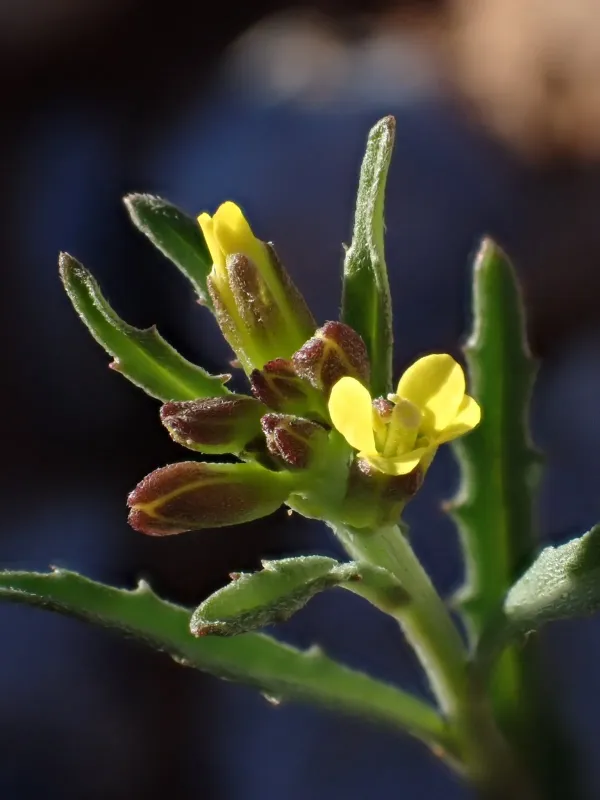
Description
Growing requirements
Erysimum incanum, commonly known as a type of wallflower, belongs to the Brassicaceae family. It is a vital industrial crop primarily cultivated for the extraction of cardiac glycosides used in pharmaceutical applications.
The crop thrives in sunny locations with well-drained, fertile soil. Sandy loam and loam soils with a neutral pH provide the best environment for root development, preventing waterlogging which is detrimental to this species.
As a hardy perennial, it demonstrates excellent drought resistance, making it suitable for semi-arid and temperate regions. Adequate spacing between rows is necessary to ensure proper airflow and light penetration for all parts of the plant.
Preparation of the seedbed should be thorough, involving deep plowing and cultivation to eliminate perennial weeds. Since the seeds are small, they require a firm, level surface for uniform germination and establishment.
Balanced fertilization is key to yield success. Potassium-rich fertilizers are particularly beneficial, as they improve the metabolic processes that lead to higher concentrations of active medicinal compounds within the plant tissues.
Main diseases and pests
Crucifer flea beetles represent the most significant pest risk, especially during the seedling stage. Heavy infestations can cause skeletonized leaves and high mortality rates if not managed with timely pesticide application.
Fungal diseases like downy mildew and alternaria leaf spot pose risks in humid or rainy conditions. Maintaining proper spacing and removing debris from previous crops helps to break the cycle of infection.
Aphid populations can gather on developing flower buds, leading to stunted growth and reduced seed yield. Integrated pest management (IPM) practices are recommended to mitigate damage while preserving beneficial insect populations.
Weed control is critical, especially during the first month of growth. Herbicide application must be carefully managed to avoid stress on the crop, as sensitive varieties may suffer from phytotoxicity if dosages are incorrect.
Regular field scouting is essential to identify early symptoms of disease. Quick intervention, such as pruning affected areas or targeted spraying, can prevent large-scale crop losses.
Harvesting
The optimal harvest time for Erysimum incanum is the peak flowering phase. This is when the plant's vegetative parts contain the maximum concentration of biologically active glycosides required for market standards.
Mechanical harvesting via swathers or combine harvesters is standard practice. The cutting height should be adjusted to minimize the inclusion of lignified, low-value basal stems while maximizing the harvest of leaves and flowers.
Immediately after harvest, the biomass must be dried to prevent degradation of the active substances. Using controlled-temperature drying facilities ensures the medicinal quality of the raw material remains intact.
If harvesting for seeds, the crop should be swathed when the majority of pods turn brown. This reduces seed shedding losses that occur when waiting for complete, uniform field maturity.
Storage of the finished product requires moisture-proof and ventilated containers. Consistent monitoring of humidity levels in storage areas is necessary to prevent microbial growth and ensure shelf-life longevity.