
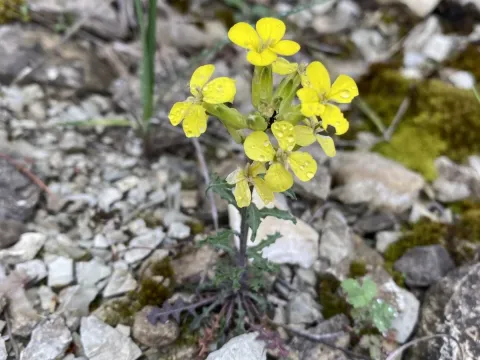
Erysimum callicarpum
Erysimum callicarpum
Erysimum callicarpum belongs to the Brassicaceae family and is recognized as a hardy herbaceous plant. It typically thrives in regions with temperate climates, requiring well-drained soil to prevent root rot.
What the section contains
Erysimum callicarpum
The plant prefers sunny locations with loamy or sandy-loam soil textures. It is relatively drought-tolerant once established, though consistent moisture during the seedling stage is essential for proper development.
Soil pH levels should be maintained within the neutral range to ensure the bioavailability of nutrients required for the synthesis of secondary metabolites within the plant tissues.
During the growing season, regular weeding is recommended to reduce competition for light and soil nutrients, as the plant can be sensitive to overcrowding in the early vegetative phases.
Proper field preparation should include deep plowing and the incorporation of balanced fertilizers to support the robust physiological growth of this species throughout its life cycle.
Common pests affecting Erysimum species include flea beetles, which primarily target the young leaves and shoots, often leading to stunted growth if not managed promptly.
The blossom beetle is another critical threat, specifically targeting the flower buds and reproductive structures, which directly impacts seed production and total crop yield.
Fungal pathogens such as white rust and downy mildew frequently emerge under high humidity conditions, necessitating proactive management and proper row spacing for better air circulation.
Crop rotation remains the most effective strategy to break the life cycle of soil-borne pests and reduce the accumulation of pathogens in the field over several growing seasons.
Early detection through frequent field scouting is crucial for effective pest management, allowing for targeted interventions that preserve the overall health and quality of the cultivated crop.