
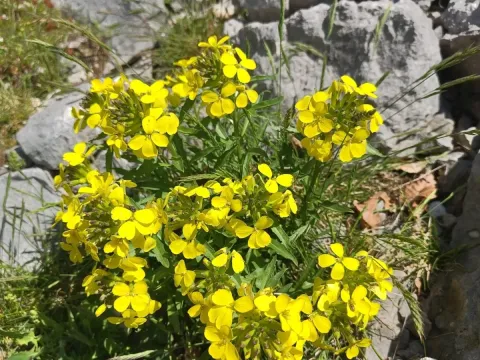
Erysimum duriaei
Erysimum duriaei
Sowing of Erysimum duriaei is ideally performed in early spring as soon as soil temperatures reach 5-8 degrees Celsius. Autumn sowing is also a viable option to allow for natural stratification, which often results in more vigorous seedling emergence.
What the section contains
Erysimum duriaei
The seeds are small and should be sown at a shallow depth of approximately 1-2 centimeters. Over-burying the seeds significantly inhibits germination, as the energy reserves of the seedling may be insufficient to break through a thick soil layer.
Row spacing should be maintained between 30 and 45 centimeters to facilitate mechanical weeding and ensure optimal air circulation. Proper plant density is essential for the development of healthy rosettes before the plant enters its reproductive stage.
Seedlings typically appear within 10-14 days post-sowing, provided that moisture levels are kept consistent. During the early establishment phase, weed control is crucial to prevent competition for light and nutrients.
Spatial isolation from other Brassicaceae species is recommended during cultivation to prevent cross-pollination. This practice helps maintain the genetic purity of the crop, which is vital for standardized pharmaceutical production.
Erysimum duriaei is a light-demanding species that thrives best in open, sunny locations. Insufficient light exposure can lead to reduced synthesis of active compounds, ultimately decreasing the medicinal value of the harvested biomass.
The crop prefers well-drained, fertile soils such as sandy loams or light loams. It does not tolerate waterlogging, as excessive soil moisture can cause root decay and negatively impact the overall vigor of the plant.
A neutral to slightly alkaline pH level is ideal for this species. In soils that are too acidic, plant growth is significantly stunted, necessitating lime application to improve soil chemistry before planting.
While the plant shows moderate drought tolerance, consistent moisture is necessary during the active vegetative growth phase. Irrigation is particularly important when the plant begins to bolt and form flower buds to ensure maximum yield.
The species is well-adapted to temperate climates and demonstrates excellent cold hardiness. It can survive harsh winters if provided with adequate snow cover, making it a reliable perennial for cultivation in various regions.
The yield of Erysimum duriaei depends heavily on soil fertility and strict adherence to agrotechnical guidelines. Under optimal conditions, growers can expect an average yield of 15-25 centners of dried raw material per hectare.
The maximum concentration of cardiac glycosides is achieved during the peak flowering phase. Harvesting at this specific time is critical, as it ensures that the raw material meets the required pharmacological standards for medicinal use.
Balanced fertilization with nitrogen, phosphorus, and potassium significantly increases biomass production. Proper nutrition management allows for higher yields without compromising the therapeutic concentration of the active ingredients.
Pest management is an integral part of yield preservation. Significant damage to the leaf tissue by insects can reduce the quality of the raw material, as the plant directs resources toward repair rather than producing the desired secondary metabolites.
Efficient post-harvest processing is necessary to preserve the crop's medicinal properties. Proper drying and handling techniques are essential to prevent the degradation of active compounds immediately after harvest.
Cruciferous flea beetles are the primary threat to Erysimum duriaei, particularly during the seedling stage. These pests can rapidly defoliate a young crop if left untreated, leading to complete stand failure in severe cases.
Fungal diseases such as powdery mildew or various rots can emerge in high-humidity environments. Maintaining proper spacing and ensuring excellent field drainage are effective preventive measures against these common pathogens.
Sawfly larvae and plant bugs can also inflict damage by feeding on the foliage and budding tissues. Integrated pest management strategies, focusing on early monitoring and minimal chemical usage, are highly recommended.
Root-knot nematodes can cause systemic issues, leading to stunted plants and localized yield losses. Rotating the crop every 3-4 years is a key cultural practice to break the life cycle of these soil-borne pests.
To minimize disease pressure, it is essential to use certified clean seed and ensure that the previous crop was not a member of the same plant family. These practices contribute to a more sustainable and productive farming system.
Harvesting is performed during full bloom to ensure the concentration of medicinal compounds is at its peak. Delaying the harvest beyond this stage results in a lower-quality product with reduced pharmaceutical effectiveness.
The crop is mowed at a height of 10-15 centimeters above the soil level using specialized agricultural equipment. Care must be taken to ensure the cut is clean, preserving the health of the plant base for future growth or stand longevity.
Once harvested, the material must be transported to the drying facility without delay. Accumulating the fresh crop in large piles causes heating, which triggers enzymatic degradation and ruins the active ingredients within the plant.
The material should be dried in specialized dryers or shaded, well-ventilated areas at temperatures not exceeding 45 degrees Celsius. Exceeding this temperature can lead to the loss of sensitive medicinal compounds.
Final processing includes cleaning the dried material of any debris and milling it to the required particle size. The finished product should be stored in dark, cool, and dry conditions to ensure long-term stability and potency.