
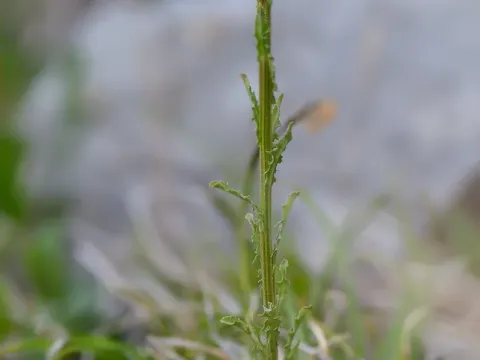
Erysimum ibericum
Erysimum ibericum
Erysimum ibericum is a flowering plant belonging to the Brassicaceae family, often cultivated for its medicinal and ornamental properties. Sowing usually occurs in early spring when the soil temperature consistently reaches 8-10 degrees Celsius.
What the section contains
Erysimum ibericum
The seeds are small and require a shallow planting depth, typically no more than 1 centimeter, to ensure efficient germination. Proper seedbed preparation is vital to achieve uniform emergence across the field.
In regions with milder winters, autumn sowing can be performed to allow the plants to establish a strong root system before the onset of the active growing season. This strategy often results in earlier flowering and higher biomass production.
Field density should be managed to ensure adequate spacing, which prevents overcrowding and competition for nutrients. Mechanized sowing equipment is recommended for large-scale operations to maintain consistency.
Moisture control immediately after sowing is critical for successful establishment, as the small seeds are highly susceptible to drying out in the top layer of soil.
This species thrives in well-lit environments and requires full exposure to sunlight to reach its maximum biological potential. Shaded areas result in weak, elongated stems and a reduction in the concentration of bioactive compounds.
The ideal soil profile for Erysimum ibericum is a light, well-draining substrate with a neutral to slightly alkaline pH. Heavy clay soils that retain moisture should be amended to improve aeration.
The plant is known for its remarkable adaptability to various climate conditions, demonstrating significant tolerance to both drought and temperature fluctuations. However, it does not perform well in waterlogged conditions.
Fertilization management should focus on balanced NPK ratios, with a particular emphasis on potassium to bolster the plant's structural integrity and resistance to environmental stress.
Regular maintenance practices include inter-row cultivation to keep the surface loose, which helps manage weeds and improves soil gas exchange for healthy root development.
Crucifer flea beetles are the most prevalent pest for Erysimum ibericum, particularly during the seedling stage. They can cause severe damage to foliage, potentially killing young plants if not controlled.
Aphid infestations are also a common challenge, as they feed on the sap of growing shoots. Effective pest management strategies prioritize early detection and the use of integrated pest control methods.
Fungal diseases, such as downy mildew, are often associated with high humidity and poor air circulation within the canopy. Improving drainage and ensuring correct plant spacing can significantly reduce disease pressure.
Root rot caused by soil-borne pathogens can occur if the plant is grown in compacted or poorly drained soil. Crop rotation is essential to prevent the buildup of these pathogens in the soil over time.
Monitoring the health of the plants throughout the season is the most effective way to prevent widespread outbreaks and maintain high yields of the target produce.