
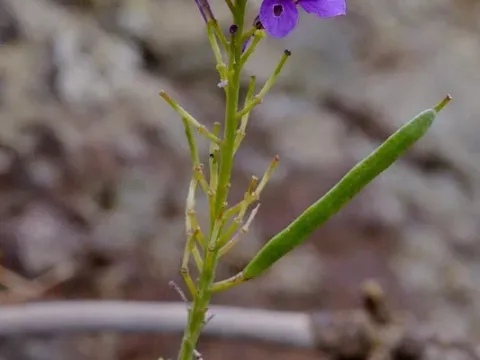
Erysimum arbuscula
Erysimum arbuscula
Erysimum arbuscula is a perennial species that requires careful consideration of timing for optimal development. Sowing is best performed in early spring once the risk of severe ground frost has passed, ensuring steady soil warming.
What the section contains
Erysimum arbuscula
Seeds should be sown at a shallow depth of approximately 1 to 1.5 centimeters in well-prepared, loose soil. This ensures the seedlings have sufficient light penetration to germinate successfully without exhausting their energy reserves.
When sowing in field conditions, maintain adequate spacing to prevent future overcrowding. Proper spacing is essential for root health and allows for efficient air circulation, reducing the risk of fungal outbreaks within the stand.
For late-season establishment, ensure that young plants have at least six weeks of growth before the first hard frost of winter. This allows the root systems to become sufficiently established to withstand dormancy.
High-quality, fresh seed is critical for uniform germination. If stored, seeds should be kept in a cool, dark, and dry environment to maintain their biological viability over time.
As a member of the Brassicaceae family, this species thrives in locations with full sun exposure. It is highly intolerant of shade, which tends to inhibit flowering and promotes leggy, weak plant growth.
Soil structure is a primary concern for successful cultivation. The plants require gritty, well-draining soil with a neutral to slightly alkaline pH. Waterlogged conditions are detrimental and can rapidly lead to root decay.
The climate requirements for this plant include moderate temperatures with well-defined seasonal changes. While it shows good tolerance to short dry spells, supplemental irrigation is beneficial during prolonged summer droughts.
Nutrition management should focus on balanced, low-nitrogen fertilizers. Excessive nitrogen application tends to produce excessive foliage at the expense of floral development and overall hardiness.
Regular maintenance of the soil surface is necessary to ensure aeration. Breaking up the soil crust after rainfall or heavy irrigation promotes oxygen exchange to the rhizosphere, which is essential for plant vigor.
Flea beetles are the most common pest threat for Erysimum species. They can cause significant damage to young seedlings, often appearing in large numbers during warm, dry conditions in the early spring.
Pathogenic fungi, such as powdery mildew, are common during periods of high humidity and poor air circulation. Managing plant density and using appropriate fungicides can significantly mitigate these risks.
Clubroot, a soil-borne disease, poses a severe risk to members of the mustard family. Proper sanitation, avoiding the reuse of infected soil, and raising the soil pH through liming are the most effective preventive measures.
Aphids can also colonize the succulent new growth during the flowering phase. Early detection and treatment with insecticidal soaps are recommended to prevent population explosions.
- Regular monitoring of foliage for signs of pests.
- Effective weed control to reduce disease reservoirs.
- Applying preventive fungicides in high-humidity seasons.