
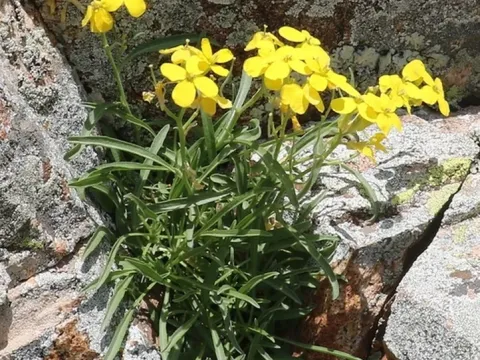
Erysimum crassipes
Erysimum crassipes
Erysimum crassipes is a perennial or biennial plant belonging to the Brassicaceae family. It is recognized for its chemical profile containing cardiac glycosides, making it a critical crop for pharmaceutical applications.
What the section contains
Erysimum crassipes
The plant thrives in well-drained, sandy, or light loam soils. It is highly intolerant of waterlogging, which necessitates careful site selection on slopes or raised beds to ensure proper root development and health.
Climatically, Erysimum crassipes is adapted to sunny environments with moderate rainfall. Its natural distribution suggests high resilience to drought, as it has evolved to extract nutrients from rocky and nutrient-poor substrates.
Agricultural management requires meticulous weed control, particularly during the seedling stage. Due to its slow initial growth rate, mechanical or manual weeding is essential to prevent competitive exclusion by aggressive weeds.
The crop does not require heavy fertilization. Excessive nitrogen leads to vegetative overgrowth, which may dilute the concentration of active medicinal compounds. Therefore, balanced soil fertility management is crucial for product quality.
The primary pest affecting Erysimum crassipes is the flea beetle. These insects target young leaves, often causing significant stand loss if not managed during the critical establishment phase.
Fungal pathogens such as downy mildew and powdery mildew are prevalent in humid conditions. These diseases weaken the plant and negatively impact the yield of the harvested biomass.
Aphids represent another common threat, causing curling of leaves and transmitting viral diseases. Integrated pest management programs, including predatory insects, are recommended for sustainable control.
Root rots are secondary issues often triggered by compaction or excessive irrigation. Implementing a strict crop rotation schedule helps in managing soil-borne pathogens and maintaining overall crop vigor.
- Regular monitoring for signs of infestation.
- Use of certified pathogen-free seeds.
- Application of bio-fungicides during high-humidity seasons.