
Diplotaxis catholica
Diplotaxis catholica
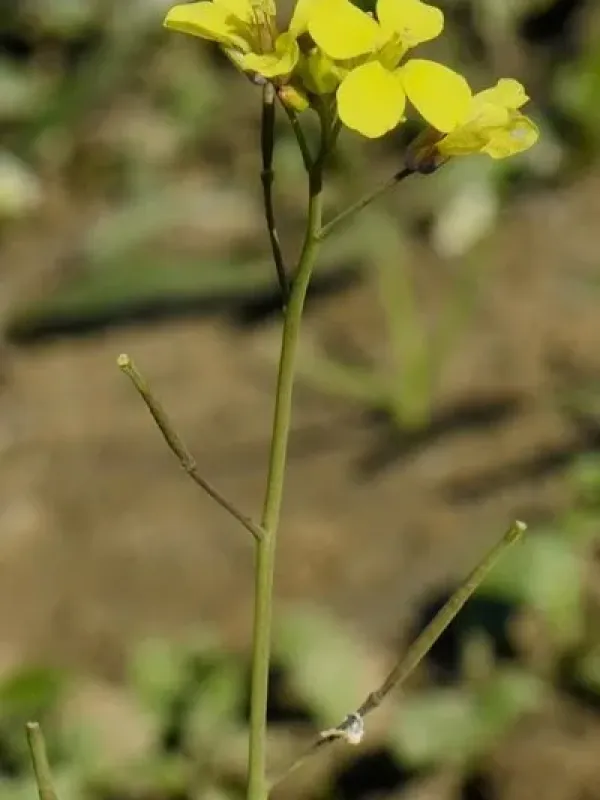
Description
Sowing dates
Diplotaxis catholica is typically sown in early spring once the danger of severe night frosts has passed and the soil temperature reaches a steady 10 degrees Celsius.
Seeds should be planted at a shallow depth of approximately 0.5 centimeters, as they require sufficient light exposure to successfully germinate and establish.
For commercial production, precision seeding is recommended to maintain optimal plant density and reduce the need for labor-intensive thinning later in the season.
Successive planting every two to three weeks is an effective strategy to ensure a continuous supply of fresh, high-quality foliage throughout the growing season.
The plant demonstrates robust germination rates, provided that the seedbed is well-prepared, friable, and adequately moist during the initial establishment phase.
Growing requirements
As a member of the Brassicaceae family, this species thrives in full sun exposure, which is critical for maximizing the aromatic compounds in its leaves.
The plant is highly adaptable but prefers well-drained, nutrient-rich soils that prevent waterlogging, as the roots are sensitive to excess moisture accumulation.
While known for its natural drought tolerance, consistent irrigation is necessary during the peak growth stages to maintain the desired texture and taste.
The optimal climate for Diplotaxis catholica is temperate, with average temperatures between 15 and 22 degrees Celsius, avoiding extreme heat that promotes bolting.
Soil pH levels should ideally range from neutral to slightly alkaline, ensuring that essential micronutrients are readily available for the plant's metabolic functions.
Main diseases and pests
Crucifer flea beetles represent the most significant threat to young seedlings, capable of causing rapid defoliation if left unmanaged during the early stages.
Aphid infestations are a recurring issue, typically appearing on the underside of the foliage and necessitating careful monitoring to prevent economic loss.
Fungal pathogens such as downy mildew may occur in high-humidity conditions, emphasizing the importance of adequate plant spacing and air circulation.
Crop rotation is essential for this plant, as it shares common pests and diseases with other Brassica crops, which can persist in the soil over time.
Integrated pest management, including the use of row covers during the seedling stage, is highly recommended to minimize chemical input and protect the crop.
Harvesting
The harvest period begins approximately 30 to 45 days after sowing, once the plants have developed a sufficiently dense rosette of flavorful basal leaves.
Harvesters should use sharp tools to trim the leaves, ensuring that the apical meristem remains intact to allow for subsequent regrowth and multiple harvests.
Quality control during harvest involves selecting only the most vibrant leaves and removing any damaged or yellowed tissue to meet market standards.
Post-harvest handling is critical, requiring prompt cooling to temperatures near 4 degrees Celsius to maintain shelf life and prevent wilting after collection.
If harvesting for seed production, the stalks should be cut only after the pods have turned light brown, ensuring the seeds are fully mature before storage.