
Diplotaxis siifolia
Diplotaxis siifolia
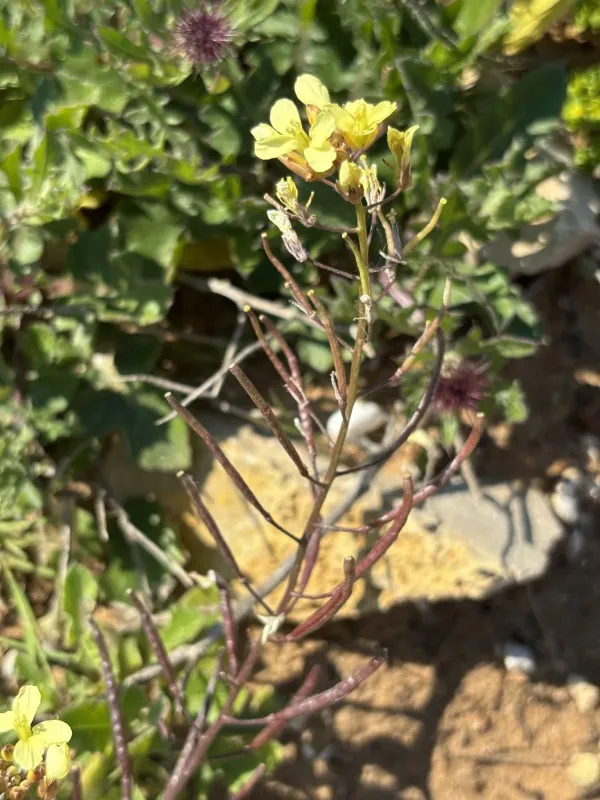
Description
Sowing dates
Diplotaxis siifolia is a member of the Brassicaceae family, sharing many culinary and botanical similarities with wild rocket. Seeds should be sown in early spring as soon as the soil reaches a temperature of 5–8 degrees Celsius, as the plant is hardy and tolerates light frost.
For a continuous supply of fresh greens, it is recommended to employ a successional planting method, sowing seeds every 14 to 20 days throughout the growing season. The seeds should be planted at a shallow depth of 1–1.5 centimeters to ensure uniform germination.
Under controlled environments like greenhouses or high tunnels, planting can occur year-round. Using high-quality, high-vigor seeds is essential for achieving a dense and uniform stand, which is crucial for maximizing yield in limited spaces.
The optimal planting pattern involves row spacing of 15–20 centimeters to provide adequate space for rosette development. Overcrowding should be avoided, as it leads to etiolation and increases the risk of foliar diseases due to poor air circulation.
Maintaining consistent soil moisture immediately following sowing is critical. The use of irrigation methods that do not displace the small seeds is highly recommended for successful establishment.
Growing requirements
This crop thrives in light, well-draining, fertile loamy or sandy soils with a neutral to slightly alkaline pH. On heavy clay soils, incorporating organic matter or creating raised beds is necessary to prevent waterlogging and root rot.
Diplotaxis siifolia requires consistent moisture levels, especially during rapid leaf expansion. Moisture stress can lead to leaves becoming tough and developing an overly pungent, mustard-like bitterness, which negatively impacts culinary quality.
The optimal temperature range for growth is between 15 and 22 degrees Celsius. Exposure to temperatures above 25 degrees often triggers premature bolting, causing the plant to prioritize flower production over leaf development, thus ending the harvest window.
High light intensity is essential for producing vibrant, flavorful leaves. While the plant can tolerate partial shade, full sun exposure is preferred to ensure optimal chlorophyll content and aromatic compounds.
Regular cultivation between rows is beneficial to improve soil aeration and suppress weed growth, ensuring that the crop does not compete for essential nutrients and water during its short growth cycle.
Yield
The yield of Diplotaxis siifolia is heavily dependent on management intensity and harvest precision. In optimal conditions, growers can expect to harvest between 1.5 to 2.5 kilograms per square meter per cutting cycle.
The species is known for its regenerative capacity, allowing for multiple harvests from the same plant if managed correctly. Leaving the growing point intact during harvest is the fundamental requirement for successful regrowth.
Yield quality is determined by the absence of insect damage, uniformity of leaf color, and freshness. Modern fertilization programs that include micronutrients can significantly improve both the total biomass and the sensory characteristics of the produce.
Indoor production systems generally yield higher outputs than field crops due to superior control over environmental stressors. This allows for a more predictable schedule and consistent delivery to the market.
Post-harvest handling is critical for maintaining yield quality. Immediate cooling of the harvested greens to 2–4 degrees Celsius is required to preserve turgidity and prevent deterioration during transit.
Main diseases and pests
Like many Brassicaceae, this crop is highly susceptible to flea beetles, which can cause significant damage to young seedlings. The use of floating row covers is a common and effective organic method to protect the crop during the early stages of growth.
In conditions of high humidity and poor ventilation, plants are prone to downy mildew and root rot. Preventive measures, such as proper spacing and strict irrigation control, are essential to minimize the risk of infection.
Gastropods, including slugs and snails, can cause extensive foliage damage, particularly in cool and damp seasons. Regular monitoring and the application of biological baits are recommended to protect the crop.
Aphids can pose a dual threat by direct feeding damage and by acting as vectors for viral diseases. Integrated pest management (IPM) strategies, including encouraging natural predators, are preferred for sustainable control.
Strict crop rotation is necessary to avoid the buildup of soil-borne pathogens common to the Brassicaceae family. Avoiding the site for at least two to three years between susceptible crops is a standard practice.
Harvesting
The harvest should be conducted in the early morning when the leaves are most turgid and contain the highest water content. This timing ensures that the produce remains fresh for a longer period after the harvest.
Leaves should be cut with a sharp knife at a height of 2–3 centimeters above the soil surface. Great care must be taken to ensure that the central growth point remains undisturbed to allow the plant to recover and produce another harvest.
After collection, the produce must be sorted quickly to remove any yellowed or damaged leaves. Packing in ventilated containers or perforated film helps maintain a stable atmosphere, which prolongs shelf life significantly.
Harvest timing is paramount; delaying harvest leads to bitter and fibrous leaves. Growers must balance the need for biomass with the consumer demand for tender, high-quality salad greens.
Efficient logistics are essential for bringing the product to market. Refrigerated transport is non-negotiable to maintain quality, as the delicate leaves of Diplotaxis siifolia are sensitive to mechanical pressure and heat stress.