
Diplotaxis pitardiana
Diplotaxis pitardiana
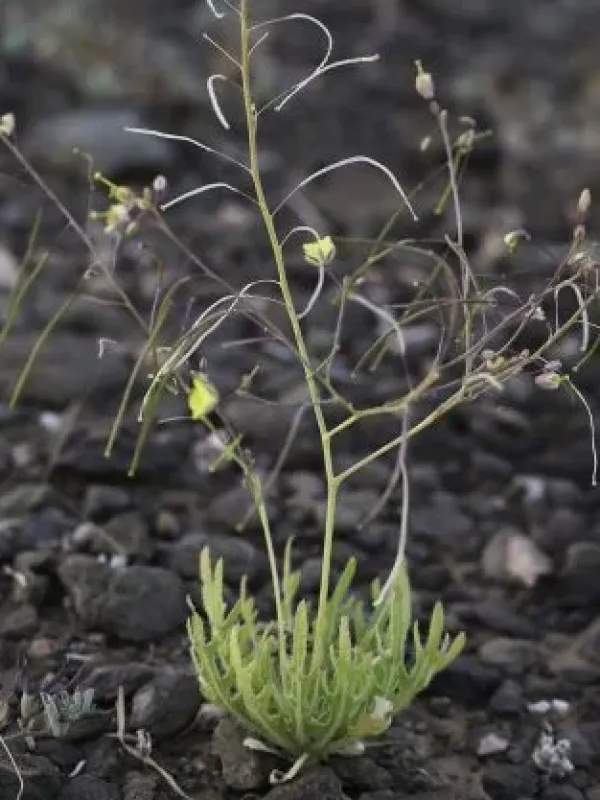
Description
Sowing dates
Diplotaxis pitardiana is a notable member of the Brassicaceae family, valued for its culinary potential. The cultivation process begins with selecting well-draining, calcareous soils that mimic the plant's native ecological niche.
Sowing should be scheduled for the early spring or autumn months when temperatures fluctuate between 15°C and 20°C. Seeds are small and should be placed at a depth of 1-2 centimeters to ensure successful germination and seedling emergence.
Maintaining proper row spacing, typically 30 to 40 centimeters apart, is essential for optimal development. This spacing allows sufficient airflow and reduces the risk of competitive stress among individual plants during the growing cycle.
Effective seedbed preparation is vital for ensuring consistent soil contact. A fine-textured soil structure facilitates faster root penetration and helps seedlings establish their nutrient uptake systems efficiently.
Once established, the crop demonstrates a robust growth rate. Providing sufficient moisture during the initial development stage is critical for uniform crop stands and achieving high-quality vegetative yields.
Growing requirements
This species thrives in high-light environments. Full sun exposure is necessary to maximize the production of aromatic oils and phytochemicals, which contribute to the distinct flavor profile of the leaves.
Soil requirements focus on alkalinity and drainage. Neutral to slightly alkaline pH levels are ideal, as they support healthy metabolic processes. Improving aeration through regular cultivation is a recommended practice.
Temperature management is crucial to avoid bolting. Although the plant is hardy, extreme heat may trigger premature flowering, which shifts the plant's energy from leaf production to seed formation, reducing quality.
Water management should be balanced. While the plant shows resilience to drought, providing supplemental irrigation during dry periods ensures the leaves remain tender and palatable for harvest.
Minimal fertilization is required, as the species is adapted to nutrient-poor soils. Over-fertilization, especially with nitrogen, should be avoided to prevent the accumulation of undesirable nitrates in the leaves.
Main diseases and pests
The main pests affecting Diplotaxis pitardiana include flea beetles, which are highly attracted to Brassicaceae species. Preventive measures such as row covers during the seedling stage can significantly reduce damage.
Fungal diseases like powdery mildew can emerge under conditions of high humidity and poor ventilation. Proper management of plant density is the primary cultural control method to mitigate this risk.
Aphids may cause infestation during warm, dry weather. Integrated pest management, including the use of soaps or biological controls, is suggested to manage populations without leaving harmful residues on the greens.
Crop rotation is essential for preventing the buildup of soil-borne pathogens. A minimum interval of three years between planting brassicas on the same site is recommended to break the infection cycle.
Monitoring the fields regularly allows for early detection of potential outbreaks. Maintaining field hygiene and removing any infected plant debris are standard operational practices for successful commercial production.
Harvesting
Harvesting is typically conducted 40 to 60 days after sowing. The goal is to collect young, tender rosettes before the plant enters the reproductive phase and begins to develop tough, fibrous stems.
Manual harvesting with a clean, sharp blade is preferred. By leaving the center of the rosette intact, growers can often encourage a "cut-and-come-again" yield, allowing for multiple harvests from a single crop.
Harvesting should be performed in the early morning. This timing ensures the plant is turgid and minimizes transpiration, which helps in maintaining the post-harvest quality and shelf life of the crop.
Immediate cooling after harvest is critical for market success. Storing the harvested greens in a cold, humid environment helps to prevent wilting and degradation of flavor and nutritional quality.
Packaging should provide sufficient protection from bruising during transport. Using perforated materials allows the product to breathe while maintaining high humidity levels necessary for preservation until reaching the final consumer.